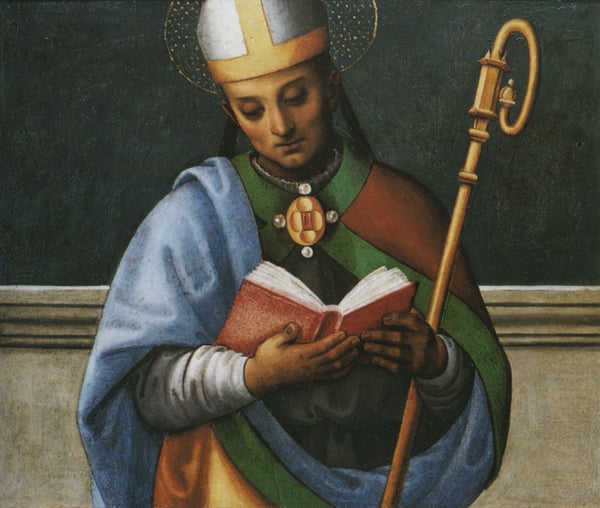
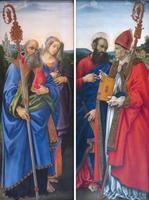
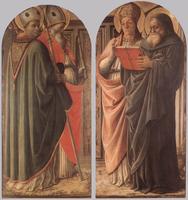
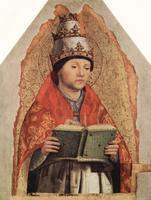
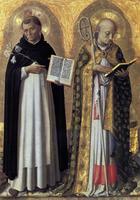
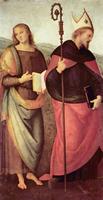
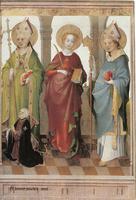
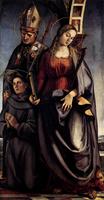
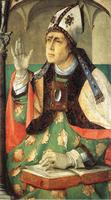
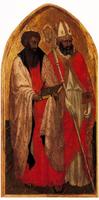
This analysis is based solely on the provided structured facts: Artist (Pietro Perugino), Title (Polyptych of St. Peter (San Costanzo)), Style (High Renaissance), and Genre (religious painting).
Significance within the High Renaissance and Religious Painting
As a work by Pietro Perugino—a master who bridged early and High Renaissance ideals—this polyptych exemplifies the period’s shift toward harmonious composition, spatial clarity, and serene devotional gravity. Within the genre of religious painting, the polyptych format itself was traditional, but Perugino's handling elevates it: he integrates the multiple panels into a unified, balanced whole, using soft atmospheric perspective and calm, idealized figures that convey spiritual tranquility rather than medieval stiffness. This piece is particularly significant because Perugino’s approach directly influenced his pupil Raphael, who would later perfect these High Renaissance principles. The work thus stands as a crucial example of how religious narrative during this era moved from symbolic iconography toward a more naturalistic, yet still sacred, humanism—marking a defining moment in the stylistic evolution of High Renaissance art.