Expert Analysis: "The Holy Children with a Shell" by Bartolome Esteban Murillo
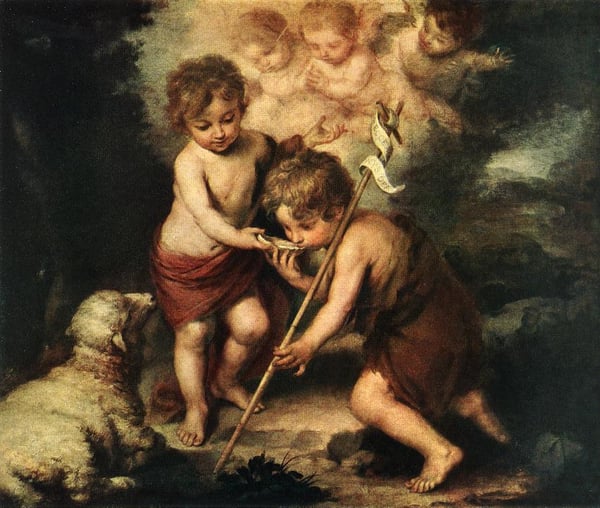
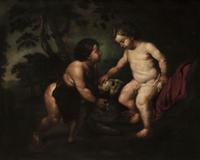
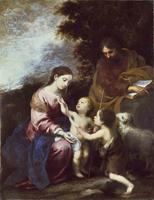
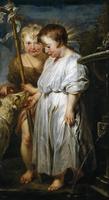
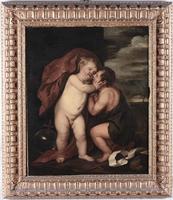
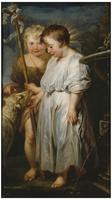
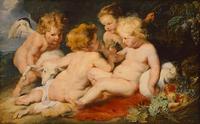
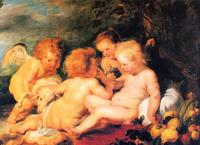
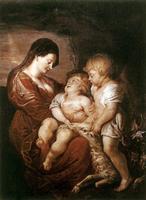
In this intimate Baroque work, Murillo transforms a traditional religious theme into a tender domestic scene, characteristic of his signature fusion of sacred subject matter with genre-like naturalism. The painting depicts the infant Christ and the young John the Baptist—a common devotional subject—but Murillo elevates it through his masterful use of soft chiaroscuro and warm, earthy tones. The shell held by John is a subtle baptismal symbol, linking the Holy Children to the future Passion and salvation, yet it is presented as a child’s playful object, grounding the holy narrative in relatable human tenderness.
What makes this work significant is Murillo’s ability to humanize divinity without sacrificing reverence. His gentle, diffused light and soft modeling soften the figures, creating a palpable sense of innocence and affection. This approach—religious art that feels like a glimpse into everyday life—was highly influential, especially in Spanish Baroque painting, where emotional accessibility often took precedence over dramatic theatricality. Murillo’s “Holy Children” embody the Counter-Reformation ideal of making the divine approachable, while his deft handling of composition and atmosphere affirms his role as a master of quiet, luminous devotion.