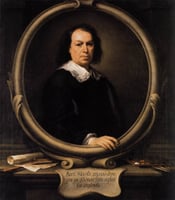
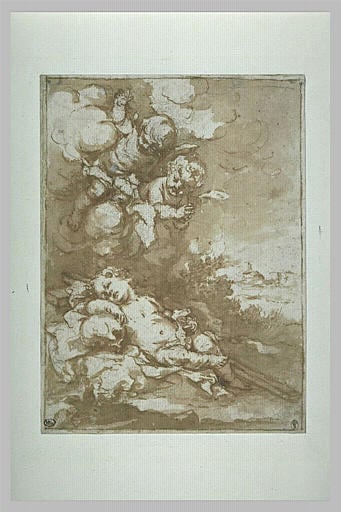
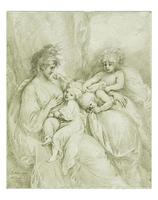
As an expert analysis, Bartolomé Esteban Murillo’s The Christ Child asleep on the Cross is a striking example of Spanish Baroque religious painting that derives its significance from a tender, intimate subversion of the period’s typical dramatic intensity. While Baroque art often emphasizes theatrical emotion, stark chiaroscuro, and explicit martyrdom, Murillo softens these conventions with a delicate, naturalistic treatment of the Christ Child. The composition juxtaposes the innocence of sleep with the implied foreknowledge of the Passion—the cross serves not as an instrument of death but as a cradle. This prefiguration of sacrifice, rendered with Murillo’s characteristic warm palette and gentle sfumato, invites the viewer into a quiet, domestic piety rather than overwhelming them with agony. The work’s significance within the Baroque lies in its ability to evoke profound theological reflection through serene, approachable imagery, making the sacred human and the human sacred.