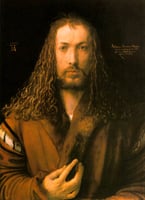

Expert analysis of Albrecht Durer’s The great chariot
Style: Northern Renaissance · Genre: genre painting
Expert Analysis of "The Great Chariot" by Albrecht Dürer
As a Northern Renaissance genre painting, The Great Chariot stands out for its fusion of meticulous observation with layered allegorical meaning. Dürer, a master of printmaking and detail, imbues this work with the period’s hallmark precision and symbolic depth, elevating a seemingly everyday scene into a moral and social commentary.
Significance within the Northern Renaissance Style
- Detail and Realism: Dürer’s exquisite handling of line and texture—seen in the carriage’s ornate carvings, the horses’ musculature, and the varied expressions of the figures—reflects the Northern Renaissance obsession with capturing the physical world with near-scientific accuracy. Each element, from the spokes of the wheels to the folds of garments, is rendered with an engraver’s discipline, inviting close viewing.
- Symbolic Layering: The chariot itself functions as a metaphor for the journey of life or the passage of human ambition. The crowded composition, with figures of different social ranks (a ruler, a peasant, a cleric?), suggests a microcosm of society moving together yet individually constrained. The title “Great” hints at both the physical scale and the grand, allegorical weight—a common device in Dürer’s work, aligning with Northern Renaissance use of everyday objects to convey spiritual or ethical truths.
- Secular Turn: As a genre piece, The Great Chariot departs from the era’s dominant religious iconography, focusing instead on worldly activity. This marks a significant shift toward humanist observation, where daily life—a chariot ride—becomes a vehicle for introspection. Dürer’s integration of classical motifs (e.g., Roman-style triumphal elements) also reflects the Renaissance revival of antiquity filtered through a Northern lens.
What Makes It Significant
- Technical Mastery: Dürer’s control of chiaroscuro and spatial recession gives the chariot a tangible sense of motion and weight, demonstrating the Northern Renaissance’s achievement in rendering three-dimensional space on a flat surface.
- Moral Complexity: Unlike simple genre scenes, Dürer embeds a cautionary tone—the crowded, strained pull of the chariot may symbolize the burdens of power or the folly of earthly striving, echoing contemporary Northern sermonizing. This dual reading (realism plus allegory) is a hallmark of Dürer’s genius.
- Influence: The Great Chariot exemplifies how Northern artists expanded genre art beyond anecdotal charm into profound commentary, paving the way for later Dutch and German genre painters. Its blend of exacting naturalism and intellectual symbolism remains a touchstone for understanding the Northern Renaissance’s unique contribution to Western art.
In sum, The Great Chariot is not merely a depiction of a vehicle but a sophisticated meditation on society, ambition, and human limitation—all rendered with the unrivaled technical finesse that defines Dürer’s legacy.
Museum / Gallery
Visually similar
20 works with related composition and palette
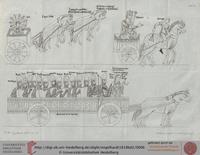
Hortus deliciarum
Herrad of Landsberg
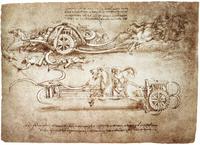
Scythed Chariot
Leonardo da Vinci
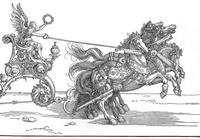
The Small Triumphal Car or the Burgundian Marriage
Albrecht Durer
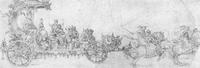
The small chariot
Albrecht Durer
Auriga winner of the daughters of Danaus (painting by vessel, inc. To outline)
Giovanni Battista Piranesi
Illustration to Odyssey
John Flaxman
Peasants by the Carriage
Alexander Orlowski
Wagons filled with wounded soldiers
Théodore Géricault
Child's drawing
Aleksandr Deyneka
The Ceremonial Entry of the Russian Troops to Moscow on December 21, 1709 after their Victory in the Battle of Poltava
Alexey Zubov
Chariot of the Sun
Giovanni Battista Piranesi
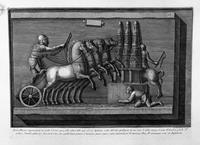
Ancient representing a plastic chariot circus at the turn of the destinations (inc F Piranesi)
Giovanni Battista Piranesi
Flock of sheep in a pasture
Theodore Rousseau
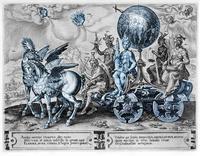
Triumph of the World
Maerten van Heemskerck
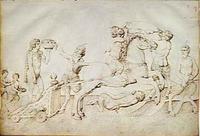
Le triomphe de Bacchus
Jacopo Bellini
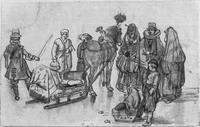
on the Ice
Hendrick Avercamp
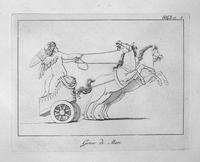
Genius of Mars
Giovanni Battista Piranesi
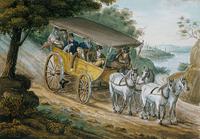
Travel by Stagecoach Near Trenton
Pavel Svinyin
L'arrivée au rendez-vous
Charles Jacque
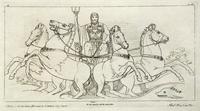
Illustration to the Iliad
John Flaxman