
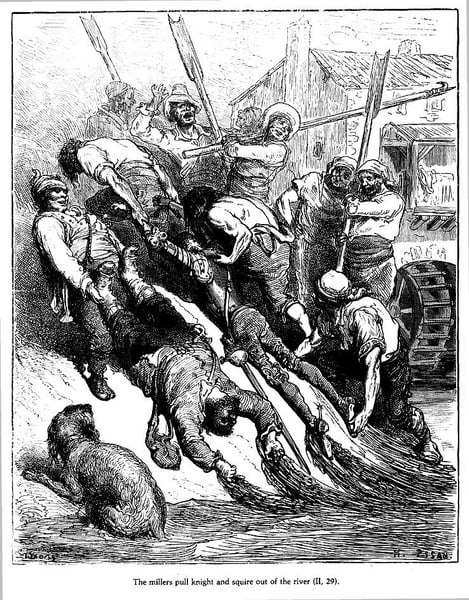
Analisi esperta di Don Quixote di Gustave Dore
Stile: Romanticism · Genere: illustration
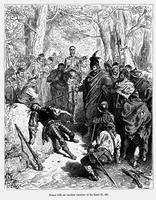
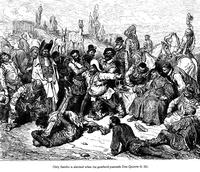
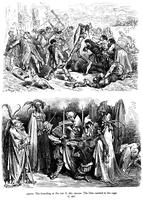
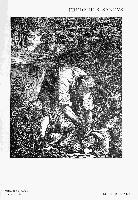
Gustave Doré’s Don Quixote stands as a landmark of Romantic illustration, where the genre transcends mere accompaniment to become a visceral narrative force. Within the Romantic tradition—which prized emotion, imagination, and the sublime—Doré’s engravings infuse Cervantes’s epic with a dramatic, almost theatrical intensity. His masterful use of chiaroscuro and intricate linework transforms the windmills, landscapes, and gaunt figure of the knight into symbols of heroic folly and melancholy grandeur. The work’s significance lies in how Doré captures the Romantic tension between idealism and reality: Quixote’s delusions are rendered not as comedy but as a poignant, awe-inspiring struggle against the mundane. By elevating illustration to the level of high art, Doré’s Don Quixote exemplifies Romanticism’s belief in the power of visual storytelling to evoke deep emotional and psychological resonance, defining the visual iconography of the character for generations.
Visivamente simili
20 opere con composizione e palette affini
Mob
Francisco Goya
The Stoning Of St. Stephen
Rembrandt
Burning of Barnabas at Salamanca, Cyprus, AD 64
Jan Luyken
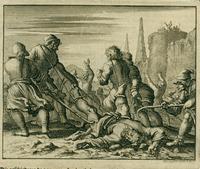
Death of Mark the Evangelist, Alexandria, AD 64
Jan Luyken
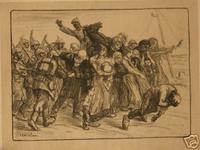
Le Bouclier
Theophile Steinlen
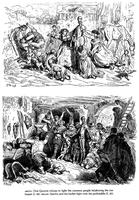
Don Quixote
Gustave Dore
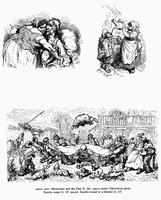
Don Quixote
Gustave Dore
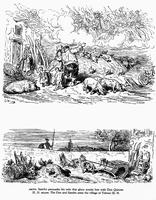
Don Quixote
Gustave Dore
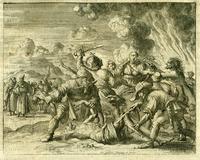
Burning of Dulcin and His Wife, Novarra, AD 1308
Jan Luyken
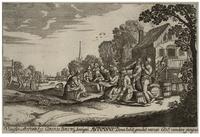
Autumn
Esaias van de Velde
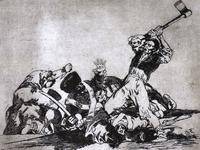
The same
Francisco Goya
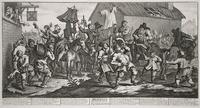
Hudibras Encounters the Skimmington, from 'Hudibras', by Samuel Butler
William Hogarth
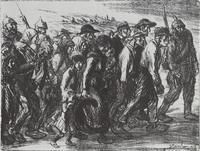
Les Internes - Entree Dans Les Geoles Allemandes
Theophile Steinlen
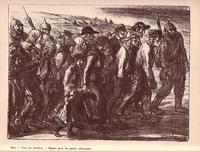
Les Otages Civils
Theophile Steinlen
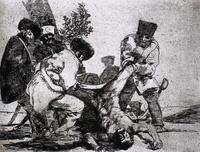
What more can one do?
Francisco Goya
Don Quixote
Gustave Dore
Don Quixote
Gustave Dore
A Barber's Shop
Henry Bunbury
Don Quixote
Gustave Dore
The Sixties (Life's Journey)
Frederick Sandys