
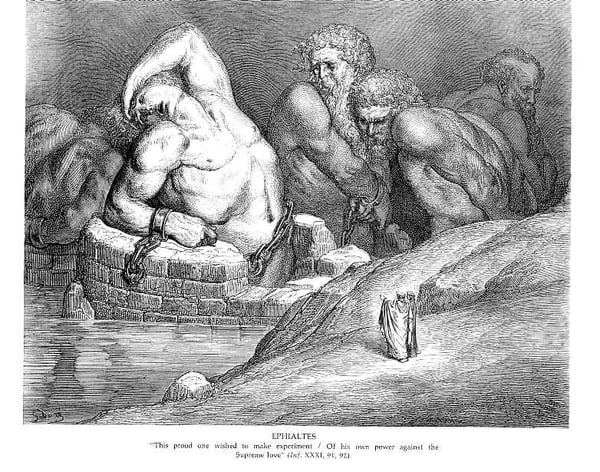
Gustave Dore sanatçısının Ephialtes eseri hakkında uzman analizi
Tarz: Romanticism · Tür: illustration
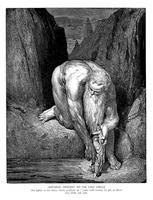
Analysis of "Ephialtes" by Gustave Doré
Based solely on the supplied facts—that the artwork is by Gustave Doré, belongs to the Romanticism style, and is categorized as an illustration—its significance lies in how it exemplifies the core Romantic principles within the often-overlooked genre of illustration.
Significance within Romanticism
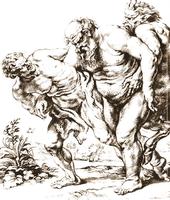
Romanticism prioritized emotion, the sublime, and the dramatic struggle between human ambition and cosmic forces. Doré’s “Ephialtes”—likely referencing the mythological giant or the betrayer of Thermopylae—would channel these themes through chiaroscuro, exaggerated anatomy, and a sense of turbulent, supernatural energy. The work’s significance is that it captures the Romantic fascination with epic, often dark narratives—heroic defiance, monstrous ambition, or tragic downfall—using the visual language of heightened contrast and dynamic composition.
Significance within the Illustration Genre
Doré elevated illustration from mere accompaniment to a respected art form. In “Ephialtes,” the illustration does not simply depict a scene; it interprets and intensifies the literary or historical subject, making the emotional weight of the story palpable. The cross-hatching, dramatic lighting, and sense of scale typical of Doré’s technique bring a Romantic grandeur to a medium that had previously been seen as decorative. This work thus stands as a testament to illustration’s power to evoke the same awe and emotional depth as a full-scale painting, securing Doré’s legacy as a master who bridged high art and popular storytelling.
In sum, “Ephialtes” is significant because it synthesizes Romanticism’s emotional extremes with the narrative immediacy of illustration, demonstrating how a “secondary” genre can achieve the sublime intensity central to the Romantic movement.
Görsel olarak benzer
İlişkili kompozisyon ve renk paletine sahip 20 eser
The Inferno, Canto 31
Gustave Dore
The Desperate Man
Albrecht Durer
Schismatics--Mahomet
Gustave Dore
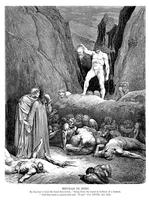
Bertram De Born
Gustave Dore
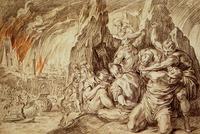
The Greeks Leave after Fire of Troy
Theodoor van Thulden
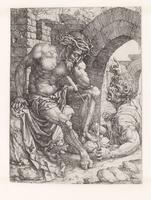
The Mocking of Christ (The man of sorrows)
Mabuse
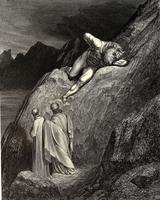
The Inferno, Canto 12
Gustave Dore
Sheet of Studies with St. Jerome, Seated at Right and Resting His Right Forearm on a Book, at Left An Ecclesiastical Figure Wearing a Cope and Miter, and at Bottom Two Putti
Palma il Giovane
Sea Monsters Fighting
Salvator Rosa
Tritons Fighting Over A Nereid
Salvator Rosa
Male and Female Nudes
Albrecht Durer
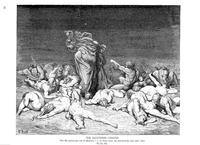
The Gluttons--Ciacco
Gustave Dore
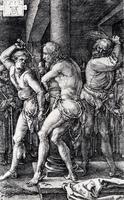
Flagellation
Albrecht Durer
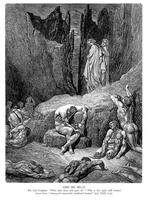
Geri Del Bello
Gustave Dore
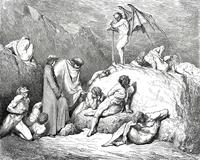
The Inferno, Canto 28
Gustave Dore
St. Jerome and the Angel
Jusepe de Ribera
The Giant Antaeus
Gustave Dore
Study sheet with six nude figures
Albrecht Durer
Thieves
Gustave Dore
Silenus (or Bacchus) and Satyrs
Peter Paul Rubens