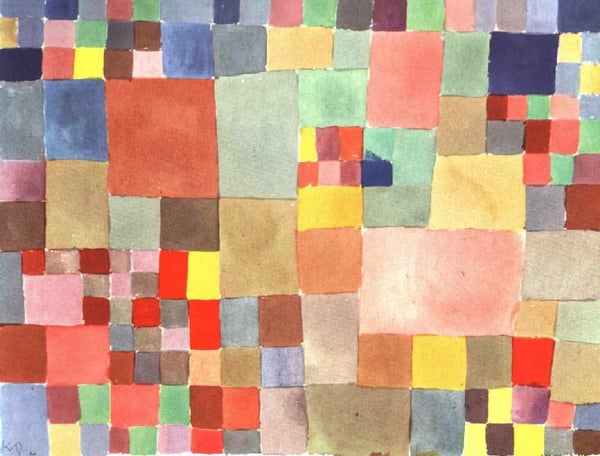
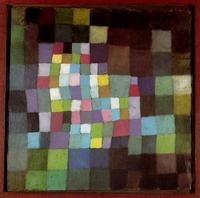
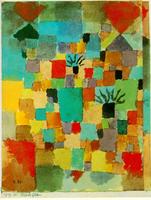
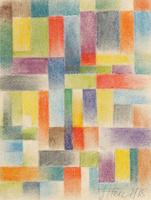
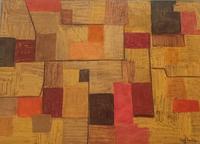
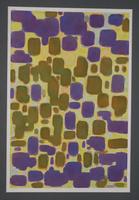
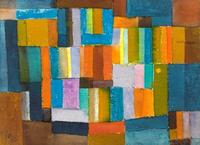
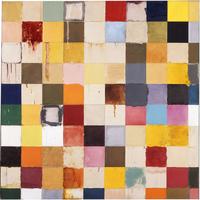
Based solely on the provided facts, the significance of Paul Klee's Flora on sand within its context is as follows:
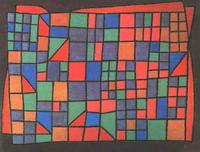
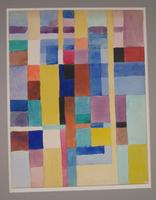
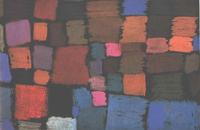
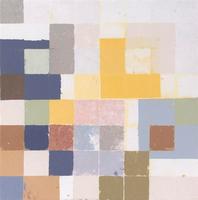
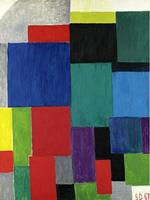
As an Abstract Art work from the Bauhaus period, Flora on sand exemplifies the school’s core principle of synthesizing fine art with design and nature. The title itself suggests a subject rooted in the organic world (“Flora on sand”), yet the classification as abstract indicates that Klee transformed this natural motif into a non-representational composition of line, color, and form. Within the Bauhaus framework, such abstraction was not a rejection of reality but a distillation of its essential structures—a method Klee famously taught at the school. The artwork’s significance lies in its demonstration of how Bauhaus artists reconciled the organic with the geometric, creating a visual language that prioritized pure aesthetic harmony over literal depiction.