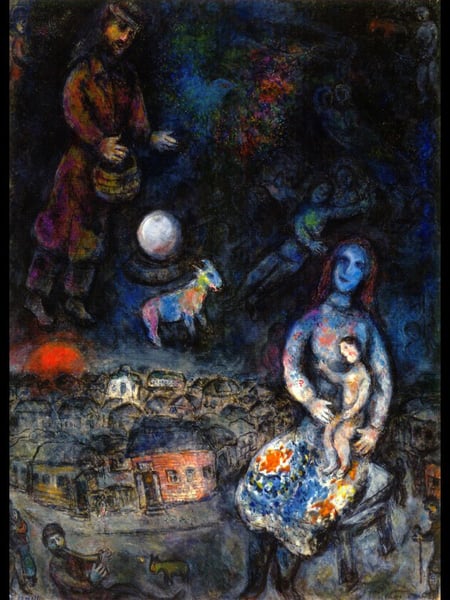
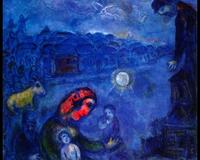
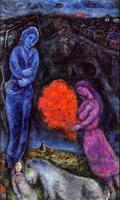
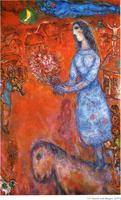
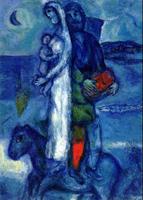
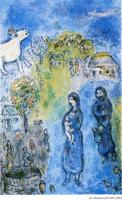
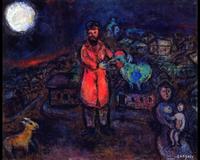
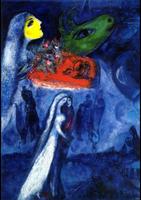
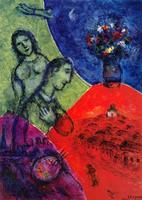
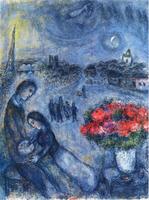
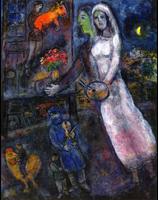
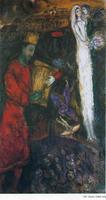
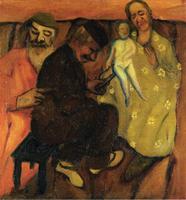
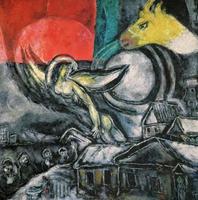
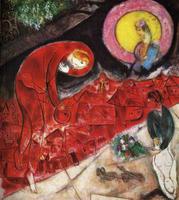
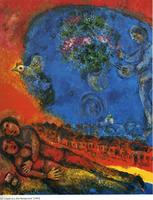
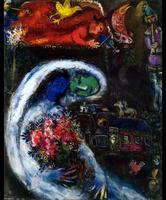
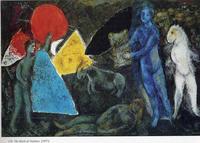
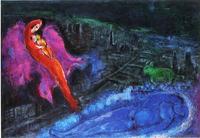
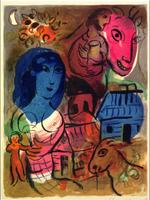
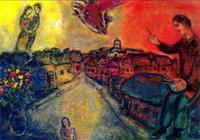
This artwork is significant for seamlessly merging the dreamlike, irrational language of Surrealism with the traditional devotional subject of a religious painting. By applying Surrealist techniques—such as floating forms, symbolic colors, and a dislocated sense of space—to the biblical "Holy Family" theme, Marc Chagall expands the emotional and thematic scope of the movement beyond purely secular or psychological territory. The work demonstrates how Surrealism can reimagine a sacred, centuries-old narrative through a deeply personal lens, creating a sense of wonder and transcendence while still grounding the scene in recognizable iconography. This fusion marks a key moment where avant-garde modernism directly engages with spiritual tradition, making the piece a standout example of Chagall’s contribution to 20th-century religious art.