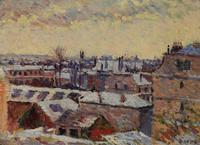
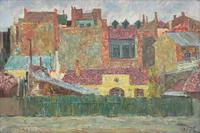
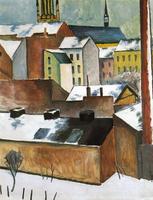
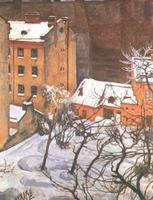
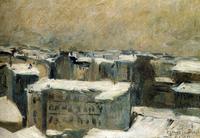
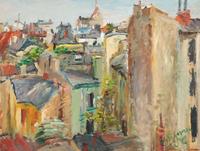
Expert Analysis: "Backyards of Old Houses in Antwerp in the Snow" by Vincent van Gogh
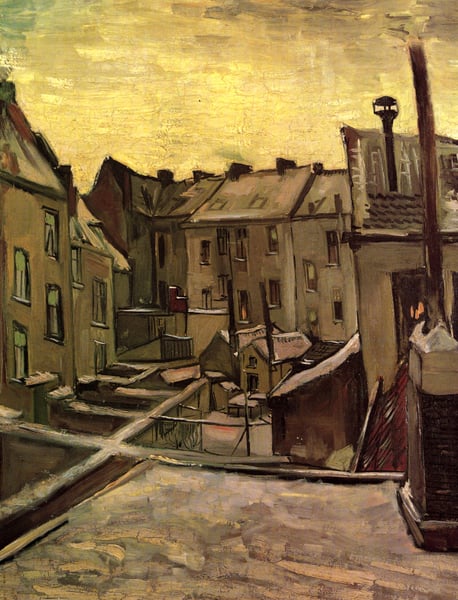
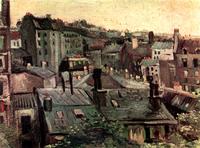
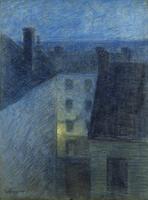
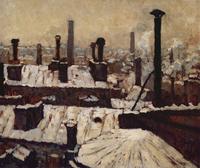
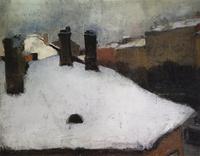
This work is significant as a clear example of van Gogh’s early commitment to Realism—a style he rigorously pursued before his later, more expressive Post-Impressionist breakthroughs. As a cityscape, it captures a modest, unidealized urban scene: the cramped backyards of old houses blanketed in snow. This focus on everyday, even gritty, urban life aligns with Realist principles of depicting the world without romantic embellishment.
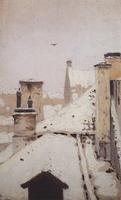
What makes the piece notable is how it foreshadows van Gogh’s enduring fascination with humble subjects and atmospheric effects. The snow serves not as a picturesque backdrop but as a unifying, textural element that transforms the mundane space into a study of light, shadow, and temperature—themes he would later explode with color. In this work, the realistic handling of snow and architecture grounds the viewer in a specific time and place (Antwerp), while the choice of a back-alley perspective signals van Gogh’s instinct to find significance in overlooked corners of daily existence. It stands as a valuable document of his formative years, when his intense observational skills were being honed within the strictures of Realist practice.