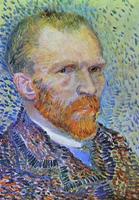
Expert Analysis of Madame Augustine Roulin by Vincent van Gogh
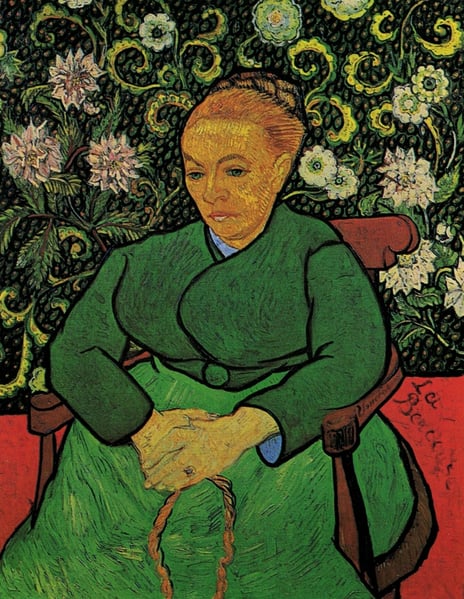
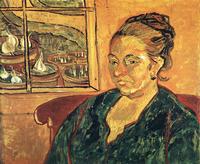
As a Post-Impressionist portrait, this work exemplifies van Gogh’s radical departure from naturalistic representation toward emotional and psychological intensity. Within the style, portraiture became a vehicle for conveying inner character through exaggerated color, dynamic brushwork, and expressive distortion.
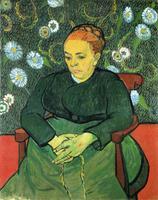
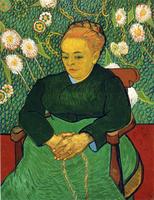
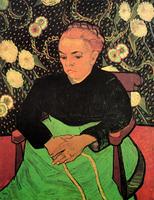
Madame Augustine Roulin is significant for its demonstration of van Gogh’s mature approach: the sitter’s presence is not merely recorded but transformed into a vibrant, almost iconic figure. The portrait likely employs his signature thick impasto and chromatic contrasts, typical of Post-Impressionism’s shift from optical realism to subjective symbolism. In this context, van Gogh elevates a conventional genre—the portrait—into a statement of modern humanism, where the subject’s dignity and emotional life are prioritized over literal likeness. The work thus embodies the broader Post-Impressionist goal of using form and color to evoke mood and meaning, marking a key moment in the evolution of portraiture toward expressive abstraction.