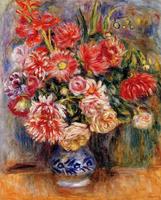
Expert Analysis: "Vase with Carnations" by Vincent van Gogh
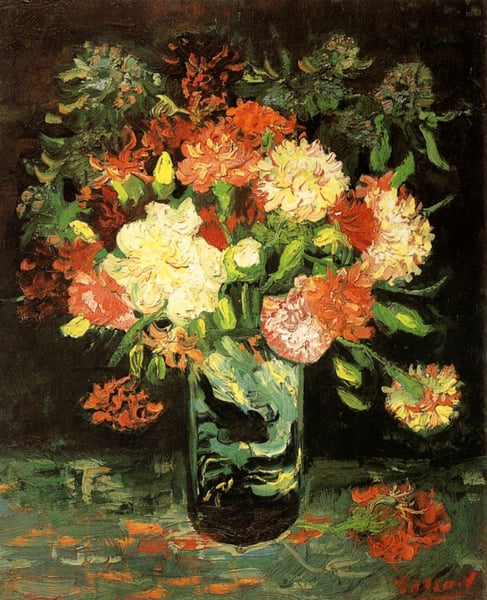
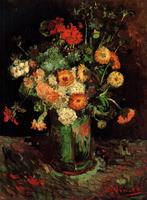
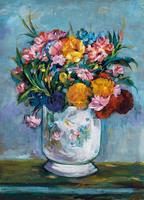
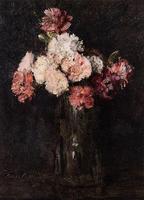
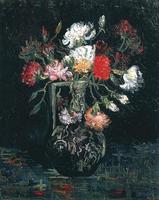
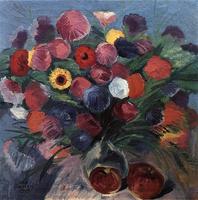
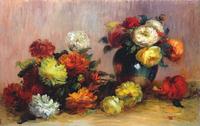
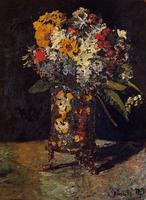
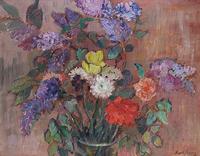
Within the framework of Realism, van Gogh’s Vase with Carnations stands as a striking example of the genre’s commitment to faithful, unidealized representation—here applied to the intimate subject of a floral still life. While van Gogh is more widely celebrated for his later Post-Impressionist works, this painting demonstrates his mastery of Realist principles: careful observation of light, texture, and natural form. The carnations are rendered with botanical precision, their petals and leaves delineated against a muted background that echoes the Dutch still-life tradition.
What makes this work significant is how van Gogh infuses the Realist genre with a sense of tactile immediacy. The brushwork, though controlled, hints at the energetic strokes that would define his mature style, while the composition balances scientific accuracy with a subtle emotional resonance. In the context of Realist flower painting, Vase with Carnations exemplifies the artist’s ability to elevate a humble domestic subject into a study of life’s transient beauty—a hallmark of the movement’s focus on the everyday, yet rendered with an intensity that foreshadows van Gogh’s revolutionary departure from strict realism.