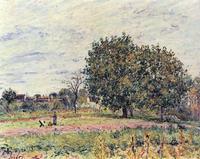
Analysis of "Wheat Field at Auvers with White House" by Vincent van Gogh
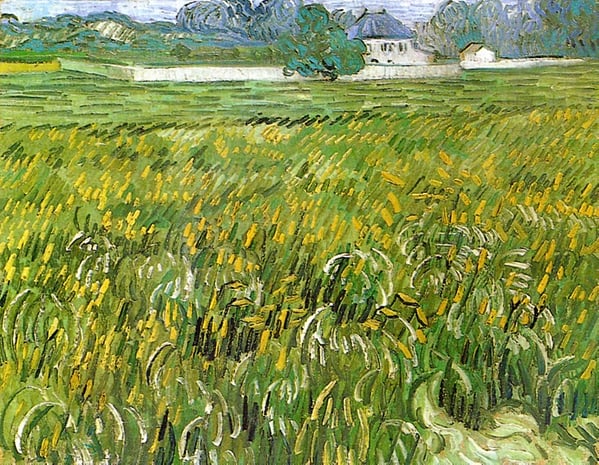
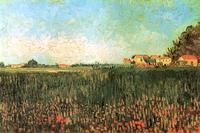
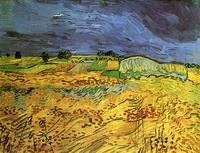
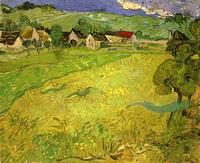
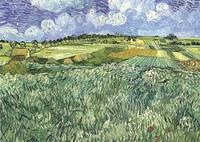
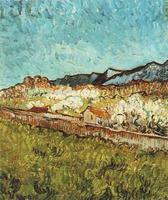
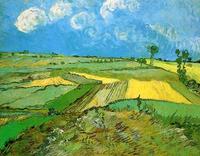
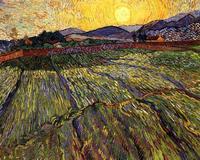
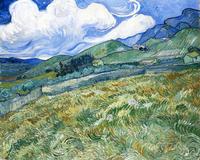
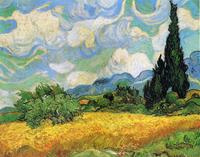
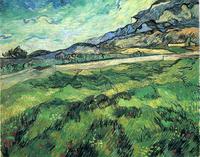
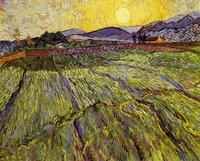
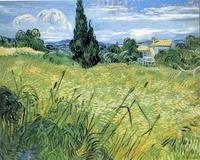
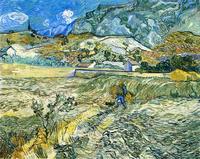
As a post-impressionist landscape, this work exemplifies van Gogh's departure from naturalistic representation in favor of personal expression. The significance lies in how the artist transforms a seemingly ordinary rural scene into a dynamic emotional statement through his signature style: vigorous, rhythmic brushwork and an intensified, non-realistic color palette. The wheat field becomes a living, undulating mass, while the white house anchors the composition with a stark, almost symbolic clarity—a contrast that heightens the tension between the transient energy of nature and the quiet permanence of human presence. Painted during the final months of van Gogh's life, the work is a quintessential example of post-impressionism's move toward subjective sensation over optical accuracy, where the landscape itself becomes a vehicle for the artist's inner state.