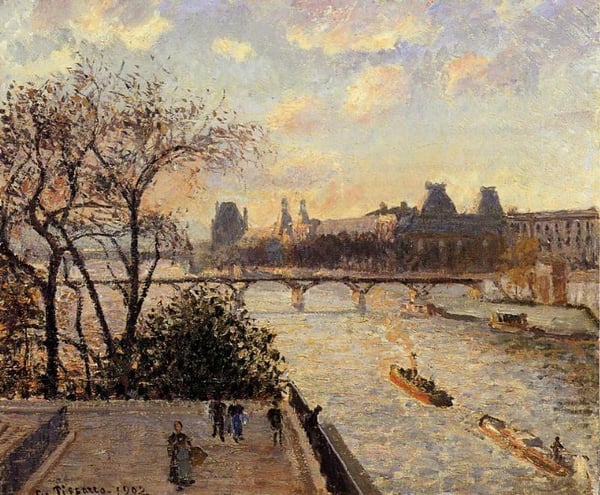
The Louvre and the Seine from the Pont Neuf
Details
Expertenanalyse zu Camille Pissarros The Louvre and the Seine from the Pont Neuf
Stil: Impressionism · Genre: cityscape
Expert Analysis: "The Louvre and the Seine from the Pont Neuf" by Camille Pissarro
Camille Pissarro’s The Louvre and the Seine from the Pont Neuf (1903) stands as a quintessential Impressionist cityscape, capturing the vibrant intersection of nature, architecture, and modern urban life that defined late 19th-century Paris. As one of the movement’s founding figures, Pissarro elevates a familiar view from the Pont Neuf—the oldest standing bridge across the Seine—into a study of transient light, atmosphere, and the bustling rhythm of the capital.
Significance within Impressionism:
- Viewpoint and Modernity: Pissarro chooses an elevated, expansive vantage point that emphasizes the bridge’s role as a connector between the historic Left Bank and the Louvre. This perspective aligns with Impressionism’s fascination with contemporary urban scenes, particularly the new boulevards, bridges, and thoroughfares that Haussmann’s renovations had created. The painting documents a city in flux, where the Seine serves as both a commercial artery and a source of lyrical reflection.
- Atmospheric Effects and Color: The work showcases Pissarro’s hallmark loose, broken brushwork and a high-keyed palette of soft blues, grays, and warm ochres. The shimmering water reflects the pale sky and the monumental architecture, while touches of orange and pink suggest the time of day—likely late afternoon. The misty handling of the distant Louvre and the quayside trees dissolves solid forms into veils of color, a core Impressionist strategy to capture the fleeting moment.
- Compositional Harmony: Pissarro balances the monumental verticals of the Louvre with the horizontal sweep of the Seine and the diagonal line of the bridge. Figures and carriages are suggested with quick dabs of paint, integrating human activity into the grand urban landscape without dominating it. This synthesis of structure and spontaneity is a hallmark of his mature style.
What makes this artwork significant: Painted late in Pissarro’s career, this canvas represents his continued commitment to plein-air observation and his ability to find beauty in the everyday. Unlike earlier Impressionists who often focused on leisure scenes, Pissarro repeatedly returned to the working city—its bridges, waterfronts, and transport hubs. The Louvre and the Seine from the Pont Neuf encapsulates the Impressionist triumph of transforming a prosaic view into a luminous, atmospheric experience, reminding us that even the most iconic landmarks are reborn in each shift of light and season.
Museum / Gallery
Visuell ähnlich
20 Werke mit ähnlicher Komposition und Farbpalette
The Louvre
Camille Pissarro
The Louvre, Winter Sunlight, Morning, 2nd Version
Camille Pissarro
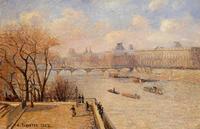
The Raised Terrace of the Pont Neuf
Camille Pissarro
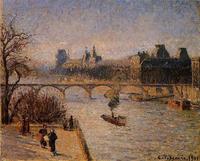
The Louvre 2
Camille Pissarro
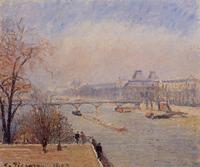
The Louvre, March Mist
Camille Pissarro
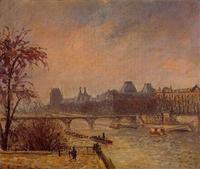
The Seine and the Louvre, Paris
Camille Pissarro
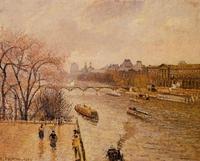
The Louvre, Afternoon, Rainy Weather
Camille Pissarro
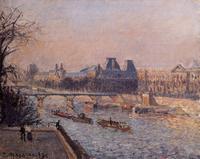
The Louvre, Afternoon
Camille Pissarro
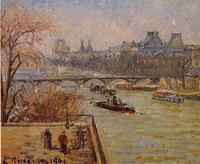
The Louvre
Camille Pissarro
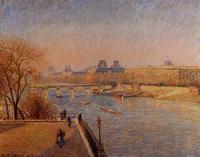
The Louvre, Winter Sunshine, Morning
Camille Pissarro
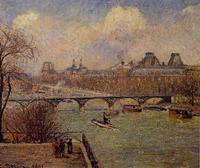
View of the Seine from the Raised Terrace of the Pont Neuf
Camille Pissarro
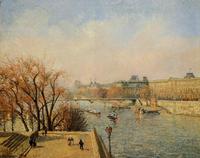
The Louvre, Morning, Sun
Camille Pissarro
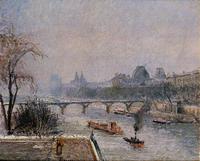
The Louvre, Morning, Snow Effect
Camille Pissarro
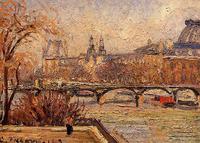
The Louvre, Morning
Camille Pissarro
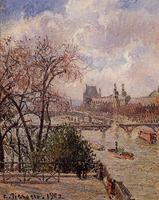
The Louvre, Gray Weather, Afternoon
Camille Pissarro
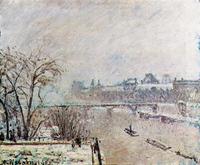
The Seine Viewed from the Pont Neuf, Winter
Camille Pissarro
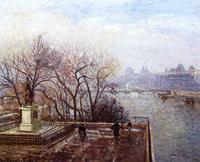
The Louvre, Morning, Mist
Camille Pissarro
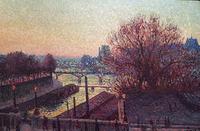
Paris seen from the Seine at nigh
Maximilien Luce
The Pont Royal and the Pavillion de Flore
Camille Pissarro
The Louvre, Morning, Sun, Quai Malaquais
Camille Pissarro