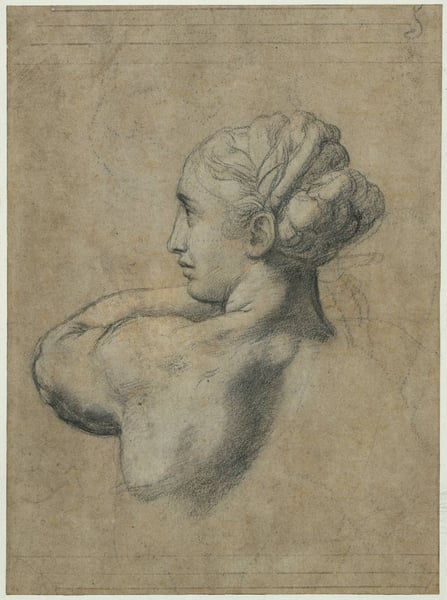
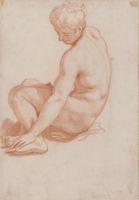
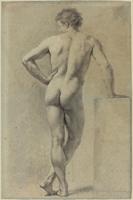
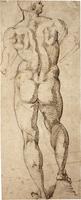
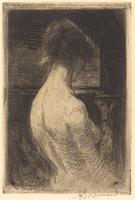
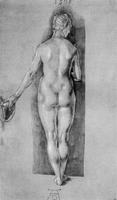
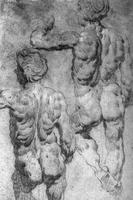
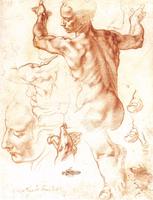
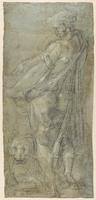
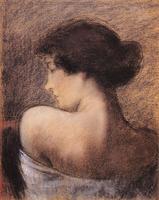
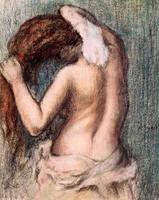
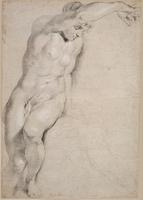
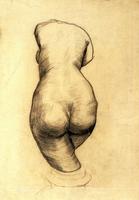
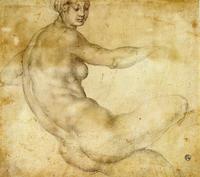
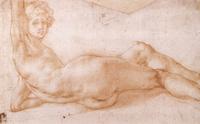
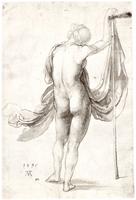
As a sketch and study from the High Renaissance, Raphael's Head of a Woman holds significance as a direct record of the artist's creative process. In this period, preparatory drawings were essential tools for refining composition, proportion, and expression before executing a final painting. This work exemplifies the High Renaissance pursuit of idealized naturalism—capturing a sense of grace and harmony even in a preliminary form. Its genre as a study allows us to appreciate Raphael's mastery of line, shading, and anatomical observation, highlighting how even unfinished works were valued for their demonstration of artistic skill and intellectual preparation. Such studies were fundamental to Raphael's workshop practice and remain key to understanding the development of his iconic finished pieces.