Expertenanalyse zu Hans Memlings Barbara de Vlaenderberch
Stil: Northern Renaissance · Genre: portrait
Expert Analysis of "Barbara de Vlaenderberch" by Hans Memling (Northern Renaissance – Portrait)
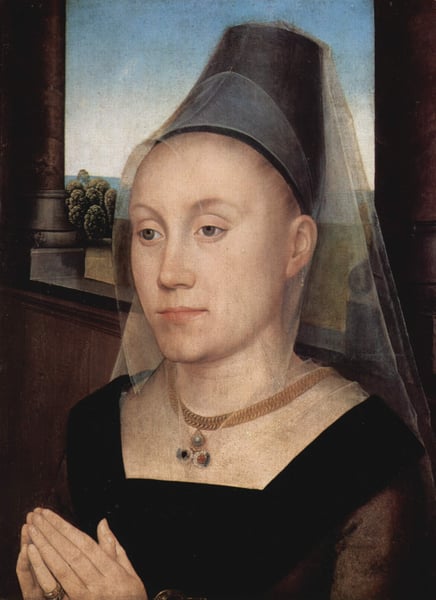
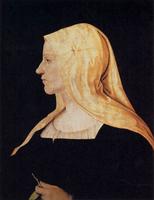
Hans Memling’s Barbara de Vlaenderberch exemplifies the Northern Renaissance portrait’s capacity to blend meticulous realism with profound psychological depth. Within this style, portraiture served not only as a record of identity but also as a meditation on piety, status, and mortality.
Technical and Stylistic Significance
Memling’s handling of oil paint demonstrates the Northern Renaissance’s revolutionary advancement in layering glazes to achieve luminous, atmospheric effects. The sitter’s face is modeled with soft, almost imperceptible transitions of tone—a hallmark of early Netherlandish painting—lending a lifelike presence without harsh contours. The crisp delineation of her costume’s textile folds and the precise rendering of jewels or headdress (if present) showcase the period’s obsession with surface texture and the material world as a reflection of divine order. The portrait likely includes a landscape background glimpsed through a window, a common Memling device that connects the sitter to a broader, symbolic natural world—hinting at the transience of life and the promise of salvation.
Composition and Symbolism
As a Northern Renaissance portrait, the work is typically half-length, with the sitter turning slightly to engage the viewer. This intimate, three-quarter pose became a standard for bourgeois portraiture, allowing for both individual character and social representation. Barbara’s posture and expression—serene, yet with a hint of introspection—align with Memling’s reputation for conveying inner life. The inclusion of attributes such as a prayer book or flowers (if present) would function as vanitas motifs or personal emblems of virtue, reinforcing the sitter’s piety and earthly status.
Genre and Historical Context
Barbara de Vlaenderberch is significant as a portrait of a member of Bruges’ prosperous merchant class. Memling, active in the city’s golden age, catered to an elite clientele who used portraiture to document family lineage and religious devotion. The painting’s refined stillness and spatial clarity epitomize the Northern Renaissance ideal: a perfect union of observed nature and spiritual symbolism. It stands as a testament to Memling’s ability to elevate individual identity into a timeless, contemplative image—a key achievement that distinguished Northern Renaissance portraiture from its Italian counterparts.
Museum / Gallery
Visuell ähnlich
20 Werke mit ähnlicher Komposition und Farbpalette
Portrait of a Young Woman
Hans Memling
Portrait of Maria Maddalena Portinari
Hans Memling
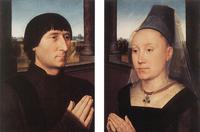
Portraits of Willem Moreel and His Wife
Hans Memling
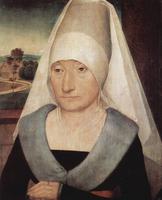
Portrait of an old woman
Hans Memling
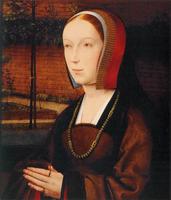
Portrait of a Female Donor
Jan Provoost
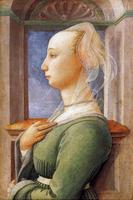
Portrait of a Woman
Filippo Lippi
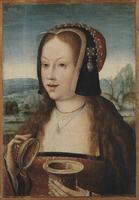
Hl. Maria Magdalena (Margarethe Von Österreich)
Bernard Van Orley
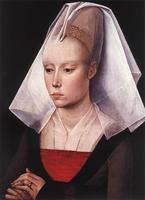
Portrait of a Woman
Rogier van der Weyden
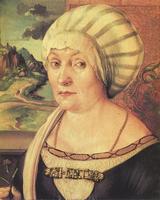
Portrait of Felicitas Tucher
Albrecht Durer
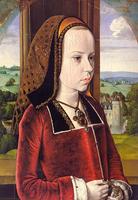
Portrait of Margaret of Austria (Portrait of a Young Princess)
Jean Hey
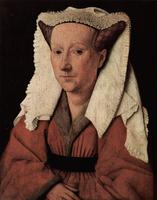
Portrait of Margaret van Eyck
Jan van Eyck
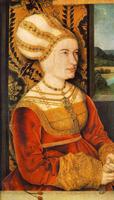
Portrait of Sibylla (or Sybilla) von Freyberg (born Gossenbrot)
Bernhard Strigel
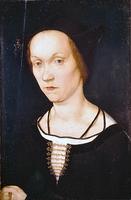
Portrait of a Woman
Hans Holbein the Elder

Portrait of a young woman
Hans Memling
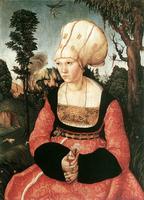
Anna Cuspinian
Lucas Cranach the Elder
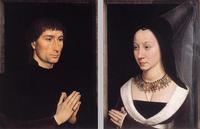
Tommaso Portinari and his Wife
Hans Memling
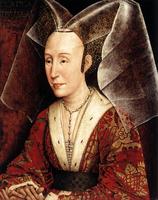
Isabella of Portugal
Rogier van der Weyden
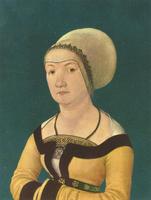
Porträt Einer 34 Jährigen Frau
Hans Holbein the Elder
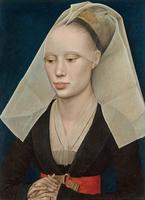
Portrait of a Lady
Rogier van der Weyden
A Woman
Piero di Cosimo