Expert Analysis: "The Evening Gown" by René Magritte
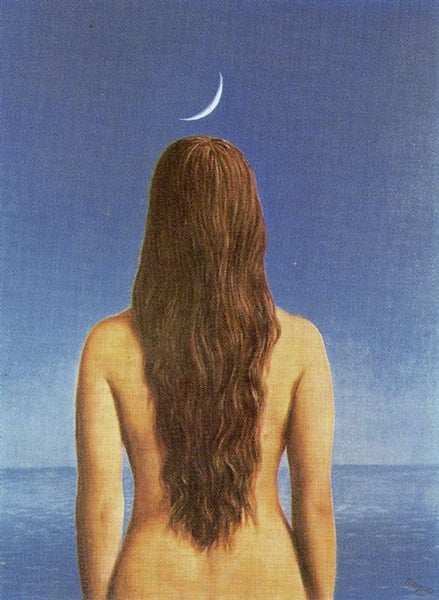
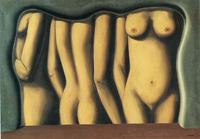
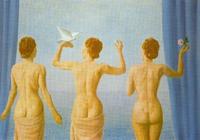
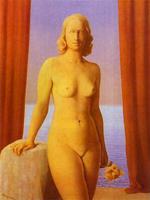
As a work from René Magritte’s Mature Period, The Evening Gown exemplifies the artist’s mastery of Surrealist paradox within the traditional genre of the nude. Typical of Magritte’s later style, the painting subverts expectations by merging the female form with everyday objects—here, the gown becomes the figure itself, or perhaps a disembodied dress that suggests a body’s absence. The seamless, almost clinical rendering heightens the uncanny effect: a familiar object (evening wear) is transformed into a disturbing, anthropomorphic presence. This aligns with Surrealism’s goal of disrupting reality through precise, dreamlike juxtapositions. The work’s significance lies in its quiet defiance of conventional nude representation—instead of celebrating flesh, Magritte erases it, leaving only the garment as a ghostly stand-in for desire, identity, and concealment. It is a quintessential example of how Magritte’s mature period used stark, methodical composition to question what we see and what we assume lies beneath.