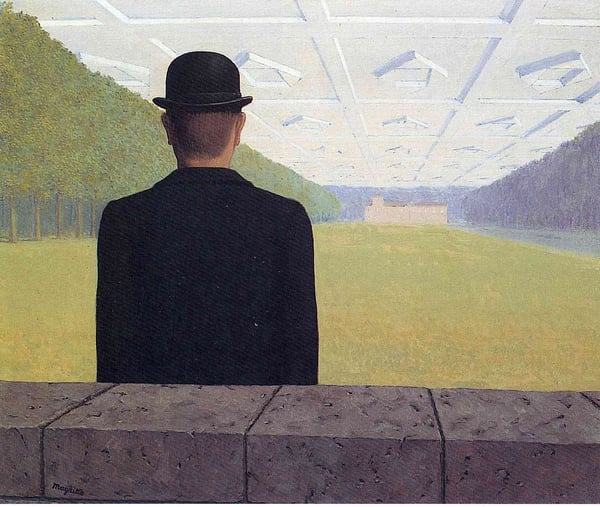
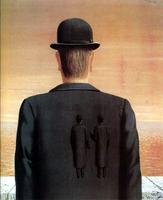
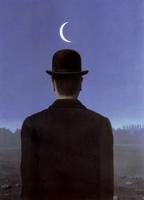
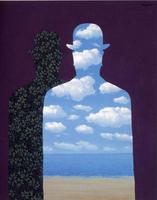
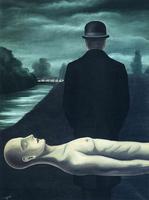
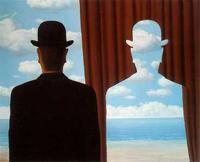
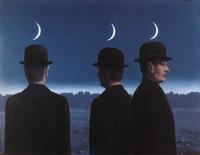
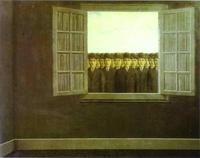
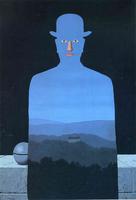
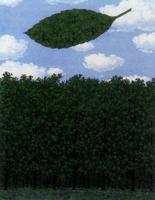
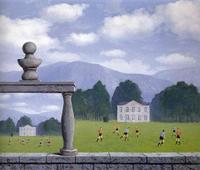
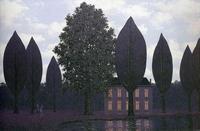
René Magritte’s The Great Century (from his Mature Period) is a quintessential example of Surrealist symbolic painting. The work’s significance lies in its use of Magritte’s characteristic visual paradoxes: ordinary objects are rendered in hyper-realistic detail but placed in impossible or disorienting contexts. As a symbolic painting, it challenges the viewer’s perception of reality—a core Surrealist aim. Within the Mature Period, Magritte refined this approach to probe philosophical questions about time, space, and the nature of objects. The Great Century thus stands as a mature distillation of Surrealist principles, where meticulous technique and enigmatic symbolism combine to disrupt conventional meaning and invite endless interpretation.