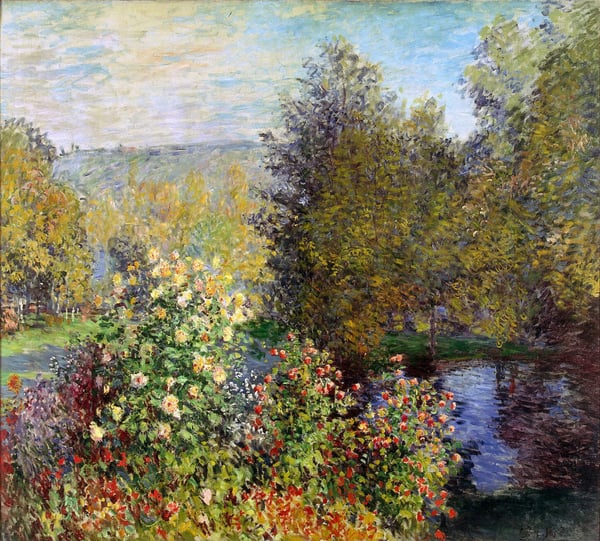
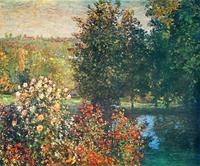
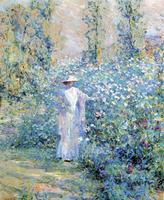
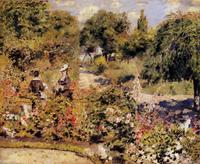
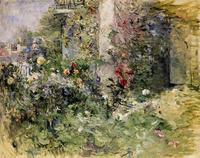
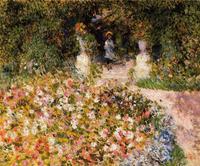
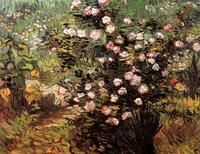
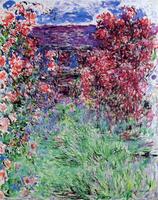
Monet’s A Corner of the Garden at Montgeron epitomizes the Impressionist approach to landscape painting. The work is significant for its deliberate focus on a seemingly casual, intimate view of the garden—an everyday subject elevated by the artist’s radical treatment of light and color. In typical Impressionist fashion, Monet breaks from academic precision, using rapid, visible brushstrokes to capture the fleeting effects of sunlight filtering through leaves and reflecting off flowers. The painting’s importance lies in how it transforms a private, domestic space into a study of atmospheric vibration, where the garden becomes a shimmering field of pure optical sensation rather than a literal description. This piece, created during Monet’s early explorations of serial garden motifs (which would later culminate in his Giverny masterpieces), demonstrates the core Impressionist belief that the artist’s momentary perception of nature is more truthful than any fixed, detailed representation.