Expert analysis of Claude Monet’s Argenteuil
Style: Impressionism · Genre: landscape
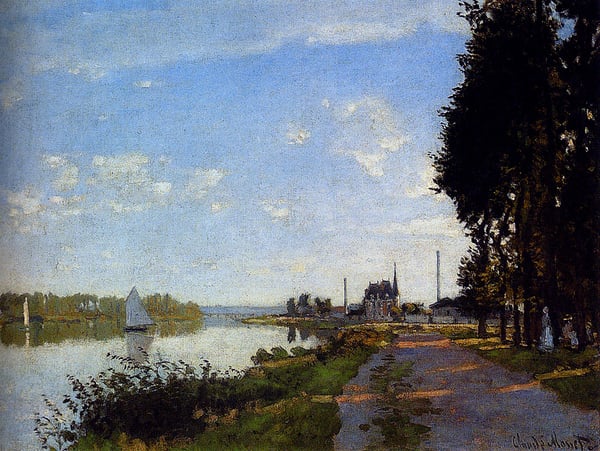
Claude Monet’s Argenteuil is a quintessential example of Impressionist landscape painting, capturing the fleeting effects of light and atmosphere that define the movement. Painted during Monet’s stay in the suburban town of Argenteuil (a frequent subject for the artist), the work exemplifies the Impressionist break from academic tradition through its loose, visible brushstrokes, emphasis on natural light, and depiction of modern leisure. The significance lies in how Monet transforms a conventional landscape subject—a river scene—into a study of chromatic vibrancy and transient visual perception. Rather than detailing forms, he uses broken color and contrasting hues (e.g., blues and greens for water, punctuated with reflections) to suggest the shimmering surface of the Seine and the hazy interplay of sky and foliage. This approach captures a specific moment, prioritizing the artist’s sensory experience over objective representation, making Argenteuil a milestone in the Impressionist celebration of everyday modern life and the ephemeral beauty of nature.
Visually similar
20 works with related composition and palette
The Promenade at Argenteuil
Claude Monet
Argenteuil, Late Afternoon
Claude Monet
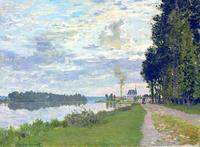
The Promenade at Argenteuil 02
Claude Monet
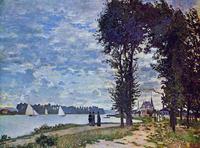
The Banks of the Seine at Argenteuil
Claude Monet
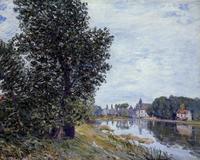
At Moret sur Loing
Alfred Sisley
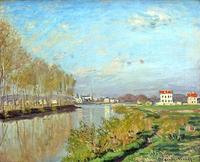
Argenteuil, The Seine
Claude Monet
Untitled
Eugene Boudin
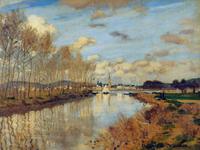
Argenteuil, Seen from the Small Arm of the Seine
Claude Monet
The Shore at Plougastel
Eugene Boudin
Cattle on the Bank of the River
Charles-Francois Daubigny
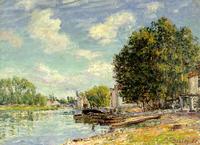
Moret Sur Loing
Alfred Sisley
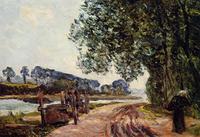
The Banks of the River Auray
Maxime Maufra
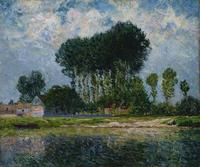
The River
Maxime Maufra
The Toques at Saint-Arnoult
Eugene Boudin
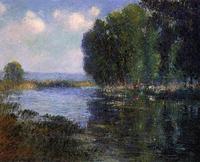
River Bend in Normandy
Gustave Loiseau
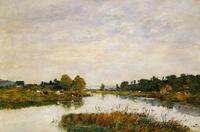
The Still River at Deauville
Eugene Boudin
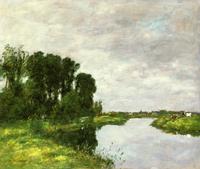
The Toques at Saint-Arnoult
Eugene Boudin
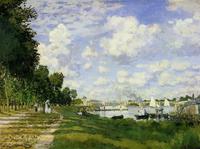
The Basin at Argenteuil
Claude Monet
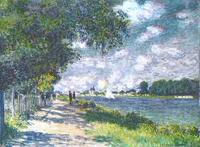
The Seine at Argenteuil
Claude Monet
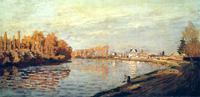
The Seine near Bougival
Claude Monet