Analisi esperta di Edge of the Cliff, Pourville di Claude Monet
Stile: Impressionism · Genere: landscape
Expert Analysis of "Edge of the Cliff, Pourville" by Claude Monet
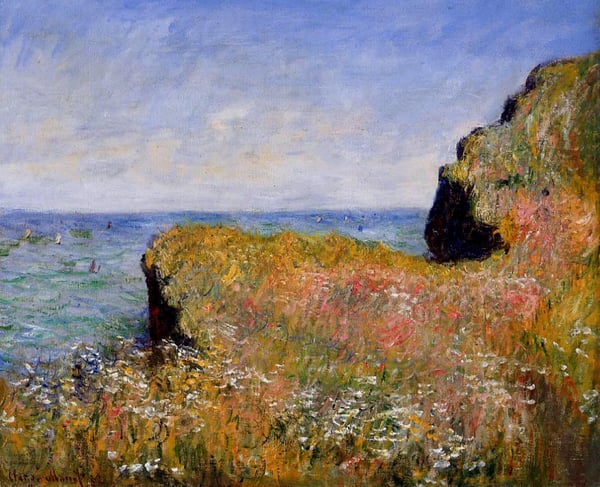
This landscape exemplifies the core tenets of Impressionism, a movement that Monet helped define and champion. Painted during one of his many visits to the Normandy coast, the work captures a specific, fleeting moment of natural light and atmosphere rather than a topographically precise view.
Significance within Impressionism:
-
Emphasis on Light and Color: Monet dissolves the solid forms of the cliff and sea into a shimmering mosaic of broken brushstrokes. The "edge" of the cliff becomes less a geological boundary and more a compositional device to contrast the warm, earthy tones of the land with the cool blues and greens of the water and sky. The shifting light (likely a breezy, overcast day) is the true subject, not the cliff itself.
-
En Plein Air Execution: The painting’s loose, rapid handling suggests it was painted directly on-site, allowing Monet to record the instantaneous effects of wind, clouds, and reflections on the water. This immediacy was a radical departure from the studio-bound, highly finished landscapes of the academic tradition.
-
Compositional Modernity: By cropping the cliff edge and focusing on the vast expanse of sea and sky, Monet adopts a snapshot-like, asymmetrical composition that feels modern and spontaneous. This compositional device, influenced by Japanese prints and early photography, rejects the structured, centralized balance of classical landscape painting.
-
Atmospheric Resonance: "Edge of the Cliff, Pourville" reveals Monet’s lifelong obsession with the way light transforms a single location. Here, the atmosphere is palpable—the viewer can almost feel the cool sea breeze and hear the waves. This sensory immediacy is a hallmark of Impressionism’s revolutionary goal: to capture not just how a scene looks, but how it feels in a particular moment.
In summary, the painting is significant not for its depiction of a specific place, but for its bold, innovative technique that prioritizes sensory experience over narrative or detail. It stands as a quintessential example of how Monet and the Impressionists forever changed the course of Western art by making the act of perception itself the ultimate subject.
Visivamente simili
20 opere con composizione e palette affini
Clifftop Walk at Pourville
Claude Monet
On the Cliff at Fecamp
Claude Monet
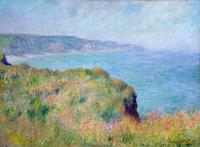
Cliff near Pourville
Claude Monet
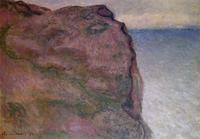
Cliff at Petit Ailly, at Varengeville
Claude Monet
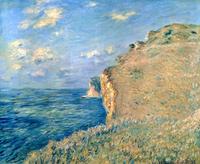
Cliff at Fecamp
Claude Monet
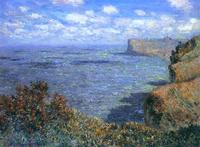
View Taken from Greinval
Claude Monet
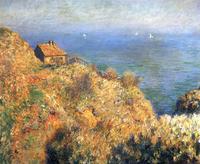
Fisherman's House at Varengeville
Claude Monet
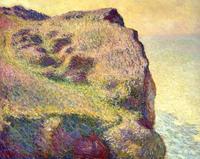
The Pointe du Petit Ailly
Claude Monet
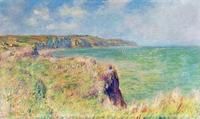
Edge of the Cliff at Pourville
Claude Monet
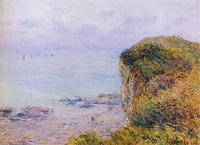
Cliffs of Puy
Gustave Loiseau
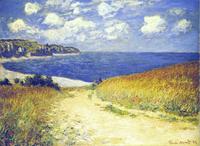
Alley near Pourville
Claude Monet
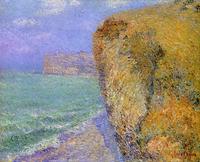
Cliffs at Grainval
Gustave Loiseau
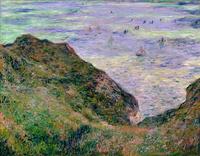
View Over the Sea
Claude Monet
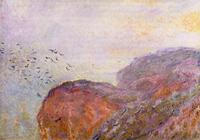
Cliff near Dieppe
Claude Monet
On the Cliffs of Belle Isle on Mer
Maxime Maufra
Customs House
Claude Monet
Low Tide at Yport
Pierre-Auguste Renoir
Cliffs at Amont
Claude Monet
Near Saint Malo
Henri Martin
Bristol Channel from Penarth, Evening
Alfred Sisley