
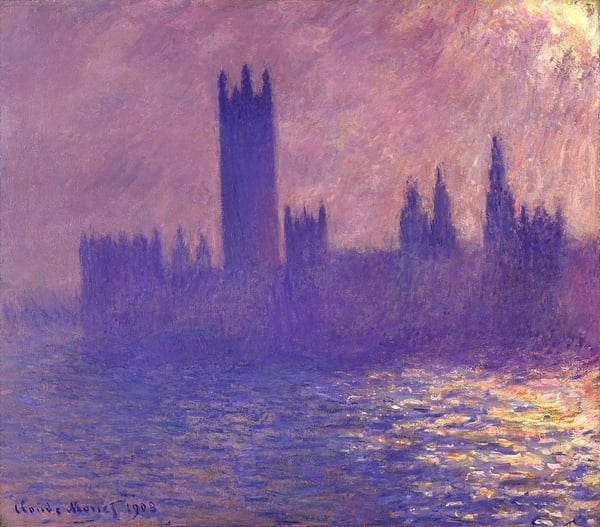
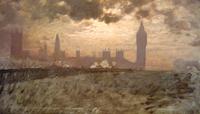
Houses of Parlilament, Sunlight Effect
Dettagli
Analisi esperta di Houses of Parlilament, Sunlight Effect di Claude Monet
Stile: Impressionism · Genere: cityscape
"Houses of Parliament, Sunlight Effect" (1900–1901) by Claude Monet stands as a quintessential example of Impressionism's core ambition: to capture the fleeting, transient effects of light and atmosphere on a single subject. This cityscape is not merely a topographical record of London's iconic Gothic Revival building; it is a study of color and atmosphere at a specific moment—here, bathed in hazy, golden sunlight that dissolves architectural details into soft, luminous patches of orange, pink, and violet.
Significance within Impressionism:
-
The Series Approach: Monet painted over 30 views of the Houses of Parliament during his stays in London, just as he had done with haystacks, Rouen Cathedral, and water lilies. This series method was revolutionary—it demonstrated that the same subject could yield endlessly different visual experiences depending on the time of day, weather, and light. "Sunlight Effect" isolates one such ephemeral moment, emphasizing that perception, not objective form, is the true subject.
-
Optical Veracity over Detail: In true Impressionist fashion, Monet dissolves the solid geometry of the Parliament building into vibrating strokes of pigment. The stonework, towers (including the famous Clock Tower, later renamed Elizabeth Tower), and the River Thames become a shimmering mosaic of pure color. The atmosphere—likely influenced by London's famous fog mixed with industrial haze—is rendered as a palpable veil, turning the cityscape into a sensory impression rather than a precise likeness.
-
Color and Light as Protagonist: The significance lies in Monet's bold color choices: the sun's rays transform the shadowed facades into warm oranges and pinks, while the sky and water reflect complementary blues and purples. This is not a documentary image but a lyrical exploration of how sunlight interacts with moisture and pollution, creating a unified, almost abstract harmony. The painting is a masterclass in how Impressionism elevated the ordinary (a government building) into a canvas for atmospheric drama.
-
Modernity and the Urban Subject: By choosing the Houses of Parliament, a symbol of Victorian power and tradition, Monet aligned Impressionism with contemporary urban life. Yet his treatment—soft, hazy, almost dreamlike—counters the building's rigid authority with a meditative, pictorial fugue. This tension between subject and style underscores Impressionism's revolutionary break from academic precision.
In short, "Houses of Parliament, Sunlight Effect" is significant because it encapsulates Impressionism's highest ideals: the celebration of fleeting light, the primacy of the artist's perception, and the belief that a single moment of atmosphere is worthy of monumental painting.
Visivamente simili
20 opere con composizione e palette affini
Houses of Parliament, Effect of Sunlight in the Fog
Claude Monet
Houses of Parliament in Winter
Claude Monet
Houses of Parliament
Claude Monet
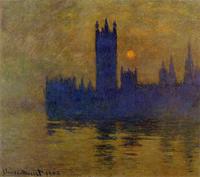
Houses of Parliament, Sunset 02
Claude Monet
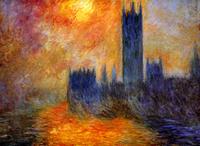
House of Parliament Sun
Claude Monet
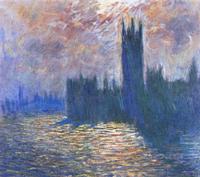
Parliament, Reflections on the Thames
Claude Monet
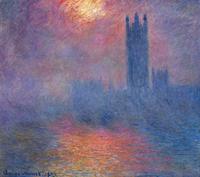
Houses of Parliament, London, Sun Breaking Through
Claude Monet
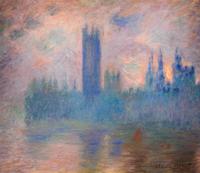
Houses of Parliament, Westminster
Claude Monet
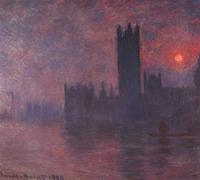
Houses of Parliament at Sunset
Claude Monet
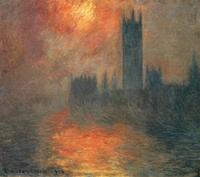
Houses of Parliament, Sunset
Claude Monet
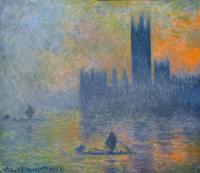
Houses of Parliament, Fog Effect
Claude Monet
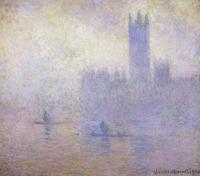
Houses of Parliament, Fog Effect
Claude Monet
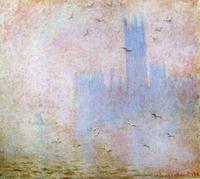
Seagulls over the Houses of Parliament
Claude Monet
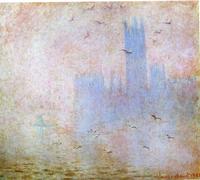
London Parlement
Claude Monet
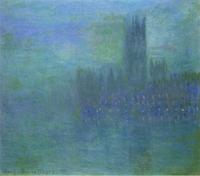
Houses of Parlilament, Fog Effect
Claude Monet
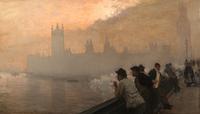
The Palace of Westminster, London
Giuseppe De Nittis
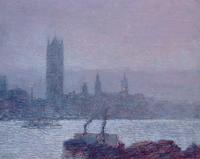
Houses of Parliament, Early Evening
Childe Hassam
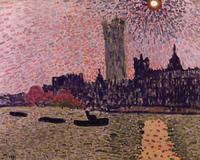
Westminster
Andre Derain
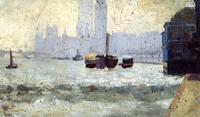
Thames Scene
Tom Roberts
Westminster Bridge
Giuseppe De Nittis