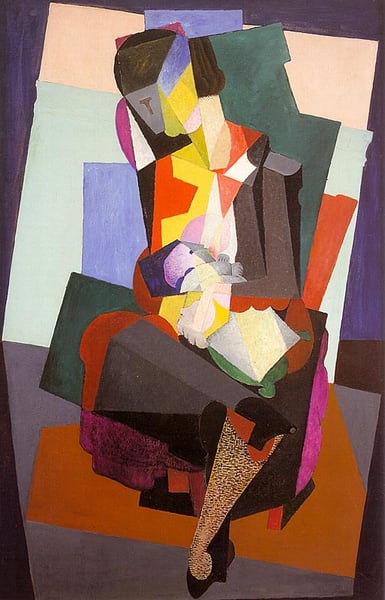
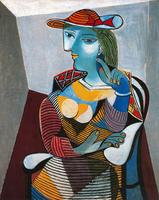
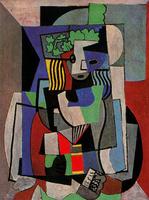
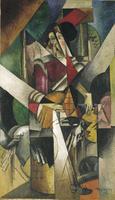
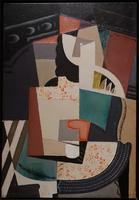
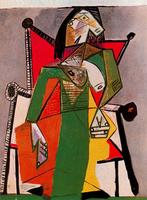
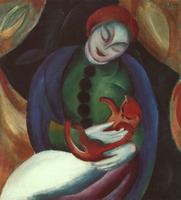
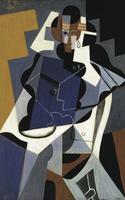
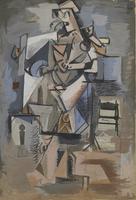
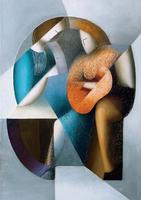
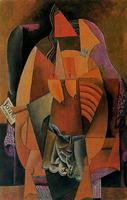
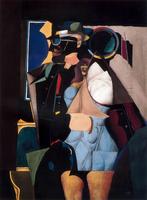
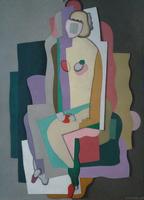
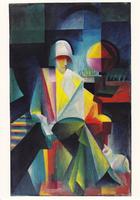
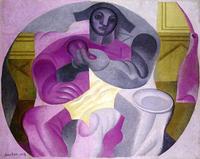
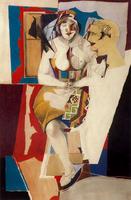
Diego Rivera’s Motherhood Angelina and the Child Diego is a significant work within the artist’s early Cubist period and the broader portrait genre. Executed in a Cubist style, the painting breaks from Rivera’s later monumental murals to explore the fractured, geometric representation of form. Here, the subject—a mother and child—is rendered through the analytical lens of Cubism, deconstructing the figures into interlocking planes and shifting perspectives. This approach imbues the intimate, universal theme of motherhood with a modernist abstraction that challenges traditional portraiture. The work’s significance lies in how Rivera synthesizes the emotional resonance of maternal care with the intellectual rigor of Cubist composition, revealing his mastery of the style before he turned to the social realism for which he is best known. As a portrait, it personalizes the avant-garde movement, embedding the artist’s own family narrative (his wife Angelina and son Diego) into the formal experimentation of early 20th-century art.