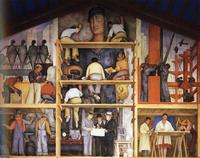
The Painter, the Sculptor and the Architect
Dettagli
Analisi esperta di The Painter, the Sculptor and the Architect di Diego Rivera
Stile: Social Realism · Genere: genre painting
Expert Analysis: Diego Rivera’s "The Painter, the Sculptor and the Architect"
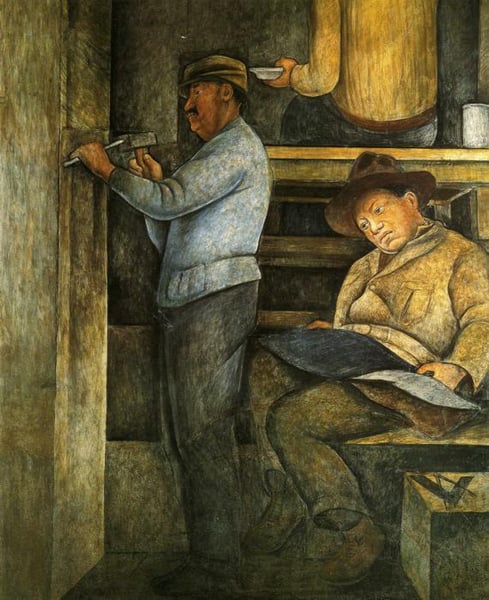
Diego Rivera’s The Painter, the Sculptor and the Architect stands as a quintessential example of Social Realism, a movement that emerged in the early 20th century as a direct response to political upheaval, industrialization, and class struggle. Rivera, a leading figure in Mexican muralism, used this genre painting to elevate the dignity of labor and creativity, merging art with social commentary.
Significance within Social Realism:
Social Realism sought to depict everyday life and the working class with unflinching honesty, often advocating for social change. Rivera’s work accomplishes this by honoring the creative professions—painter, sculptor, architect—not as elite, isolated geniuses but as integral contributors to society. By grouping these three roles, he emphasizes the collaborative, constructive nature of art, linking it directly to the built environment and communal identity.
Why the piece matters:
- Elevation of craft as labor: Rivera repositions artists as workers, aligning them with the broader proletariat. This challenges traditional hierarchies that separate “fine art” from manual trades.
- Architecture as a social framework: Including the architect underscores the movement’s belief that art should serve the public good—designing spaces for education, assembly, and cultural participation.
- Narrative of unity: The title itself suggests that painting, sculpture, and architecture are interdependent disciplines, a core tenet of Mexican muralism and its goal to create a national, accessible visual language.
In this work, Rivera transforms a simple genre scene into a political statement: art is not a luxury but a right, a tool for empowerment, and a mirror of collective aspirations. It exemplifies how Social Realism used recognizable, everyday figures to deliver a message of solidarity and progressive change.
Visivamente simili
20 opere con composizione e palette affini
Night of the Poor
Diego Rivera
The Organization ofThe Agrarian Movement
Diego Rivera
The Exploiters
Diego Rivera
Entry into the Mine
Diego Rivera
Death of the Capitalist
Diego Rivera
Triumph of the Revolution
Diego Rivera
Night of the Rich
Diego Rivera
Our Bread
Diego Rivera
Exit from the Mine
Diego Rivera
The Arsenal
Diego Rivera
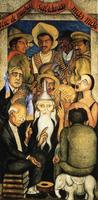
The Learned
Diego Rivera
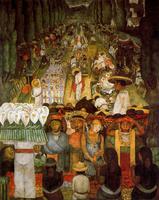
Good Friday on the Santa Anita Canal
Diego Rivera
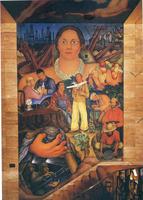
Allegory of California
Diego Rivera
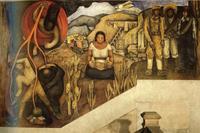
The Mechanization ofThe Country
Diego Rivera
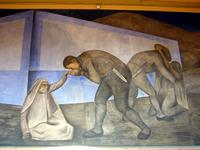
Farewell
Jose Clemente Orozco
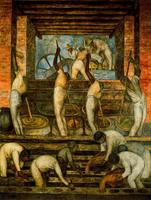
The Sugar Mill
Diego Rivera
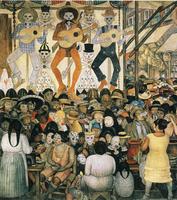
The Day of the Dead
Diego Rivera
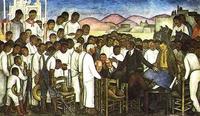
Partition of the Land.
Diego Rivera
The Making of a Fresco, Showing The Building of a City
Diego Rivera
Carnival of Mexican Life. Dictatorship
Diego Rivera