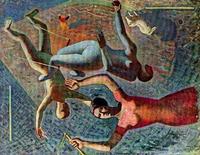
Expert Analysis: "Study for 'La La at the Cirque Fernando'" by Edgar Degas
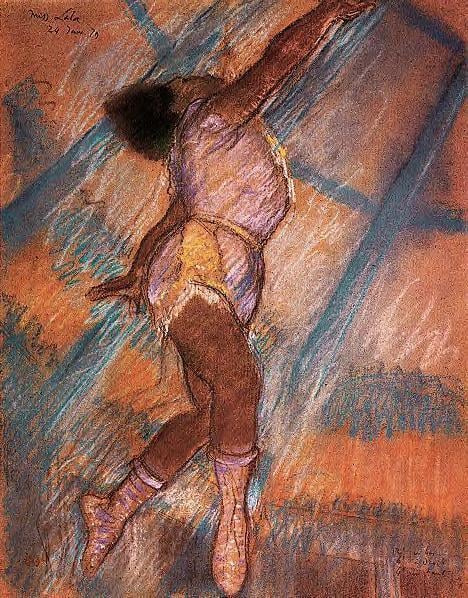
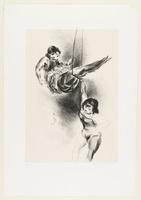
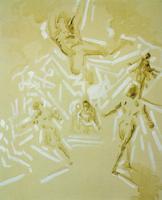
As an Impressionist sketch and study, this work is significant for its role in revealing Degas’s methodical approach to capturing motion and unusual vantage points—hallmarks of his contribution to the movement. Unlike many Impressionists who prioritized plein-air spontaneity, Degas often worked from preparatory studies to refine composition and anatomy, particularly when depicting performers under artificial light.
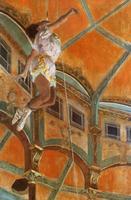
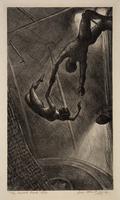
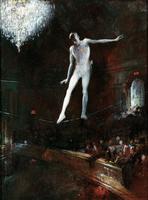
The subject—the famous aerialist La La at the Cirque Fernando—offers a daring diagonal perspective from below, a viewpoint likely rehearsed in this sketch. Such a choice demonstrates Degas’s debt to Japanese ukiyo-e prints and early photography, which taught him to crop figures dynamically and emphasize fleeting, off-center action. The study’s loose, rapid handling of line and tone focuses on the tension of the performer’s suspended body, sacrificing finish for kinetic energy. In this way, the sketch is not merely a preparatory step but a finished work of Impressionist observation. It captures the transient instant before execution, turning the circus act into a study of balance, risk, and the artist’s own disciplined eye.