This analysis is based solely on the provided facts: Romanticism, nude painting (nu), and Dark period.
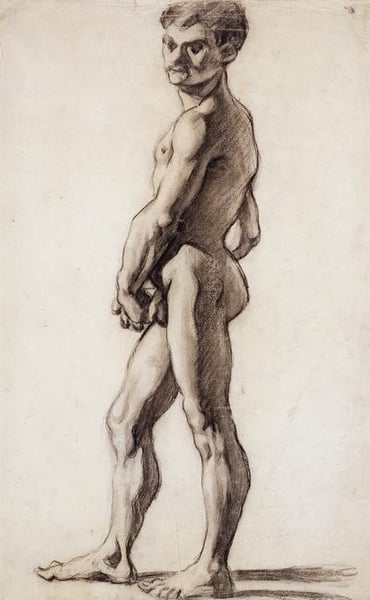
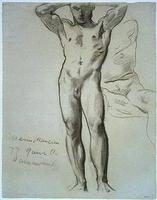
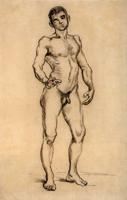
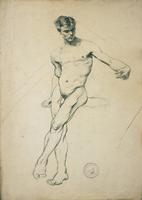
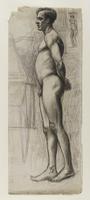
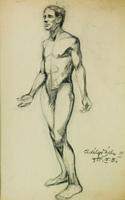
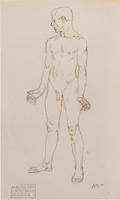
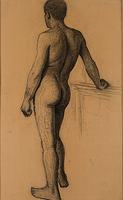
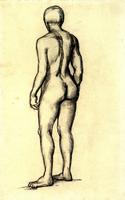
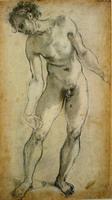
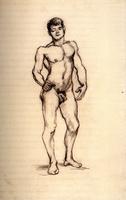
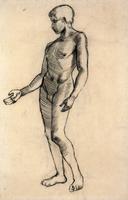
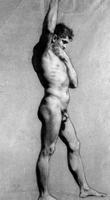
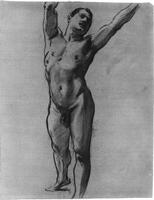
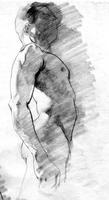
Paul Cézanne’s A Male Nude is a significant work from the artist’s little-known early phase, when he was still grappling with the expressive conventions of Romanticism rather than the structured Post-Impressionism for which he would later become famous. Created during his so-called Dark period, the painting reflects a brooding, emotionally charged approach typical of Romanticism, but already shows Cézanne’s struggle to reconcile dramatic subject matter with a raw, almost sculptural handling of the human form.
The artwork’s importance lies in its transitional character. As a nude painting—a genre traditionally reserved for academic idealism—Cézanne subverts expectations by rendering the male figure with heavy, somber shadows and a palpable sense of psychological weight. The dark, muddy palette and thick application of paint foreshadow his later rejection of Romantic sentimentality, yet the work remains tethered to that style’s fascination with the sublime and the tortured individual. Here, the male nude is not a heroic classical ideal but a vehicle for inner turmoil, a hallmark of Romanticism’s focus on personal emotion.
Within Cézanne’s oeuvre, A Male Nude is significant as a prelude to his later, more anatomically distorted bathers, showing his early attempt to break free from academic conventions while still anchored in the dramatic—and ultimately fleeting—Dark period aesthetic.