
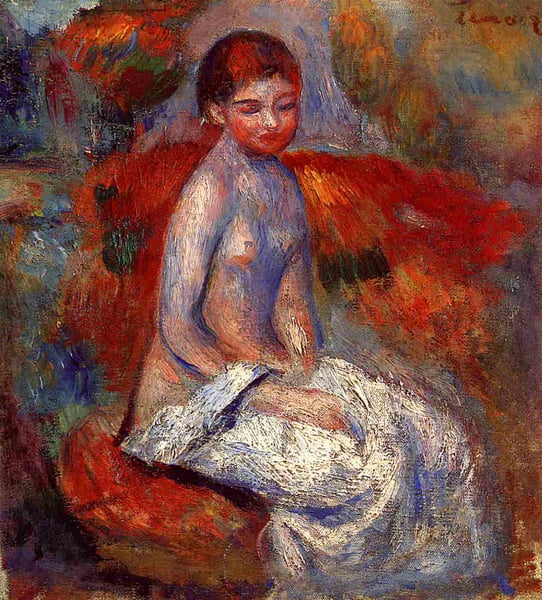
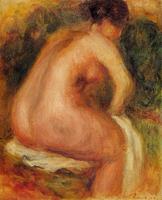
Nude Seated in a Landscape
Expertenanalyse zu Pierre-Auguste Renoirs Nude Seated in a Landscape
Stil: Impressionism · Genre: nude painting (nu)
Expert Analysis: "Nude Seated in a Landscape" by Pierre-Auguste Renoir
Context and Significance:
Pierre-Auguste Renoir, a leading figure of Impressionism, reimagined the centuries-old tradition of the nude—a genre laden with classical and academic conventions—by infusing it with the movement’s core principles: spontaneity, luminosity, and the interplay of light and atmosphere. "Nude Seated in a Landscape" exemplifies Renoir’s revolutionary approach to the nu (nude painting), where the female form is not an idealized, sculptural object but a living, breathing part of a sun-dappled, transient natural setting.
Stylistic Hallmarks:
- Figure and Environment as One: Unlike academic nudes that place a rigid, polished figure against a generic backdrop, Renoir dissolves the boundary between body and landscape. The woman’s soft, rounded contours echo the curvilinear rhythms of the foliage and earth; her skin is modeled with dabs of warm pinks, peaches, and creamy whites that catch the same dappled light playing across the grass and leaves. She is in the landscape, not merely posed within it.
- Impressionist Brushwork: Renoir employs broken, feathery strokes of pure color—blues, greens, ochres, and rose—that mix optically when viewed from a distance. The surface shimmers with a sense of momentary brightness, as if the scene were captured in a flicker of afternoon sunlight.
- Sensuous Materiality: Renoir’s treatment of flesh is paramount. He avoids hard outlines, letting the body emerge from passages of warm, vibrating color. The model’s relaxed, natural posture (lounging, turning slightly) conveys an unselfconscious ease, a departure from the staged mythological or allegorical poses of earlier nudes. This directness makes the work feel intimate and contemporary—a celebration of modern, everyday beauty.
Art-Historical Importance:
"Nude Seated in a Landscape" is significant because it represents the Impressionist liberation of the nude from academic studio conventions. Renoir, along with Édouard Manet and Edgar Degas, reasserted the nude’s vitality by placing it in the realm of plein-air experience. Here, the body is not a monument to ideal form but a responsive surface for light, color, and atmosphere. The painting asserts that a nude does not require a mythological title or allegorical pretext; it is valid as a pure study of human sensuality in nature—a hallmark of Renoir’s mature style and a lasting contribution to the modern redefinition of the genre.
Museum / Gallery
Visuell ähnlich
20 Werke mit ähnlicher Komposition und Farbpalette
Seated Young Woman, Nude
Pierre-Auguste Renoir
Nude Woman on Green Cushions
Pierre-Auguste Renoir
Nude
Pierre-Auguste Renoir
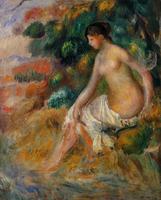
Nude in the Greenery
Pierre-Auguste Renoir
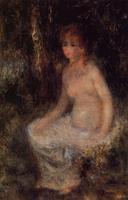
Nude Sitting in the Forest
Pierre-Auguste Renoir
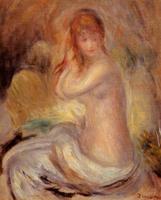
Bather
Pierre-Auguste Renoir
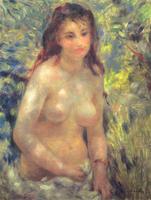
Study Torso Sunlight Effect
Pierre-Auguste Renoir
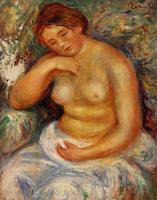
Seated Nude with a Bouquet
Pierre-Auguste Renoir
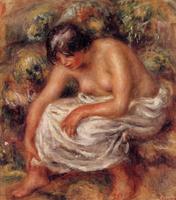
Bathing
Pierre-Auguste Renoir
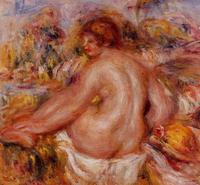
After Bathing, Seated Female Nude
Pierre-Auguste Renoir
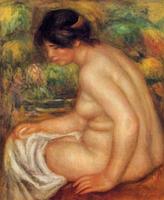
Seated Nude in Profile (Gabrielle)
Pierre-Auguste Renoir
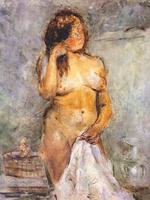
Female bather
Vladimir Tatlin
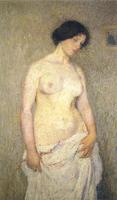
Young Nude Woman
Henri Martin
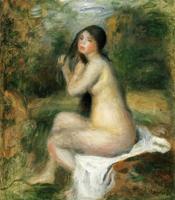
Seated Bather
Pierre-Auguste Renoir
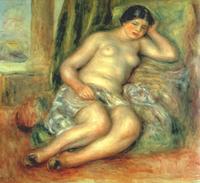
Sleeping Odalisque (Odalisque with Babouches)
Pierre-Auguste Renoir
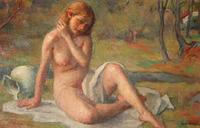
Late Summer (Nude)
Robert Brackman
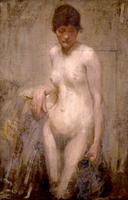
Female Nude with Pitcher
Samuel Peploe
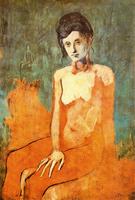
Seated female nude
Pablo Picasso
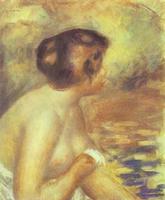
The Bather
Pierre-Auguste Renoir
Seated Female Nude
Pierre-Auguste Renoir