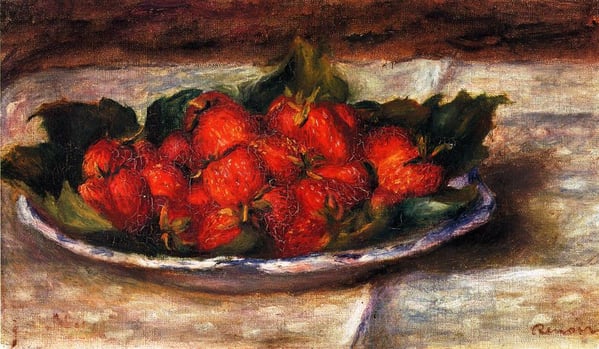
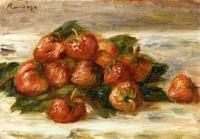
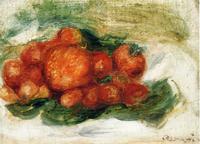
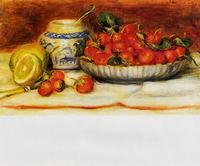
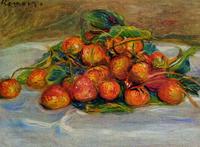
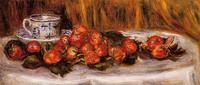
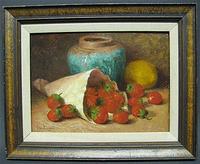
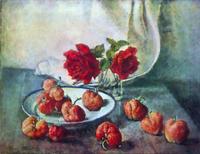
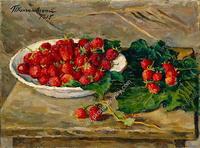
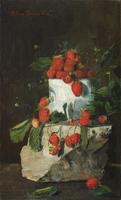
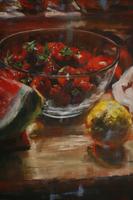
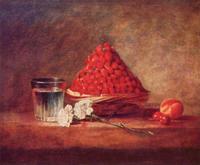
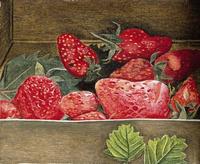
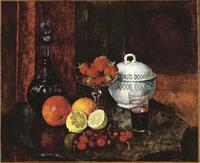
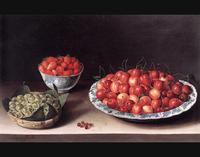
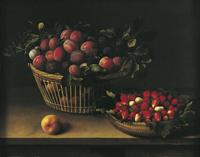
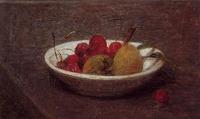
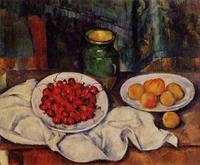
Pierre-Auguste Renoir’s Still Life with Strawberries is a compelling example of how Impressionist principles were applied to the still-life genre, a category less central to the movement’s famous outdoor scenes but no less innovative. Created during Renoir’s period of association with the Impressionists, the work demonstrates the core tenets of the style: a celebration of fleeting sensory experience, vibrant color, and visible, energetic brushwork. Instead of a static, meticulously rendered arrangement, Renoir treats the strawberries as subjects of light and atmosphere—their reds and greens seem to shimmer, suggesting the way natural illumination softens contours and unifies a composition. This approach elevates a simple domestic subject into a study of perception itself, showing that for an Impressionist, even a modest still life could capture the immediacy of a moment. The painting’s significance lies in its confirmation that Impressionism was not merely a landscape or figure style, but a comprehensive way of seeing that transformed every genre it touched.