Rembrandt sanatçısının An Old Man in Military Costume (formerly called Portrait of Rembrandt's Father) eseri hakkında uzman analizi
Tarz: Baroque · Tür: portrait
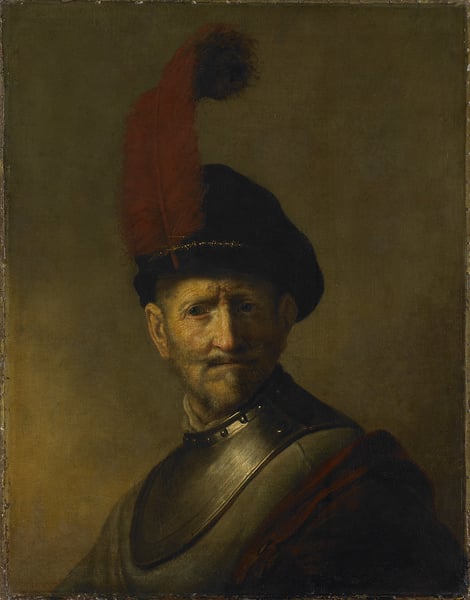
This portrait, An Old Man in Military Costume (formerly called Portrait of Rembrandt’s Father), exemplifies the Baroque era’s drive toward psychological realism and dramatic chiaroscuro. Though its subject was long misidentified as Rembrandt’s father, the work is significant for several reasons within Rembrandt’s oeuvre and the Baroque portrait tradition.
Technical Mastery and Baroque Drama
Rembrandt employs his hallmark manipulation of light and shadow: a strong, directional light rakes across the old man’s face, illuminating the weathered skin, deep frown lines, and the glitter of the metal gorget and helmet. The dark, neutral background thrusts the figure forward, while the subtle reflections on the armor suggest tactile textures—cold steel against aged flesh. This tenebrist approach heightens the sense of immediacy and interior life, a key Baroque innovation.
Psychological Depth and Human Vulnerability
The man’s expression is ambiguous: his mouth slightly open, eyes unfocused, as if lost in thought or burdened by memory. Rembrandt avoids flattery; the subject is not idealized but shown with the sagging jowls and tired gaze of old age. This unflinching honesty marks a departure from earlier, more formal court portraiture. The military costume—perhaps a historical or theatrical allusion, not a contemporary uniform—adds a layer of tension: the trappings of worldly power contrast with the model’s evident frailty, inviting meditation on mortality and the vanity of martial glory.
Misattribution and Art-Historical Insight
The former identification as Rembrandt’s father, Harmen Gerritszoon van Rijn, who was a miller, not a soldier, reveals how Rembrandt often used family members as models for tronies—character studies in exotic or historical dress. This painting is thus not a conventional portrait but a genre-blending exercise in capturing a universal type (the aged warrior) through a specific face. The misattribution itself underscores Rembrandt’s skill in creating such a convincing individual that viewers assumed it must be a real person of importance.
Significance within the Baroque
The work epitomizes the Baroque interest in transient human experience, emotional complexity, and the fusion of realism with symbolic costume. It stands as an early example of Rembrandt’s mature style—where light is not merely an illuminator but a carrier of meaning—and demonstrates how Baroque portraiture could transcend likeness to become a profound study of age, identity, and time.
Görsel olarak benzer
İlişkili kompozisyon ve renk paletine sahip 20 eser
Old Soldier
Rembrandt
Old Man with a Black Hat and Gorget
Rembrandt
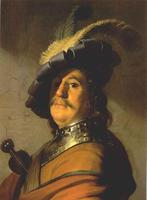
A Warrior
Rembrandt
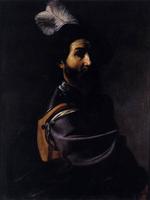
Soldier
Nicolas Tournier
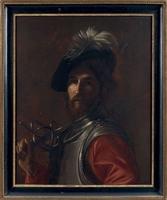
A swordsman
Nicolas Tournier
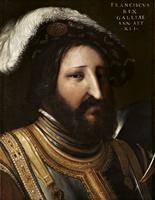
Portrait of Francis I of France
Cristofano dell'Altissimo
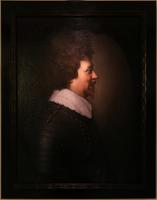
Dutch Golden Age Paintings in the Mauritshuis
Gerard van Honthorst
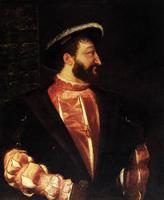
Portrait of Francis I
Titian
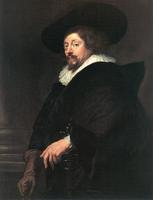
Self-Portrait
Peter Paul Rubens
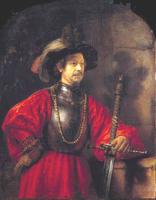
Portrait of a man in military costume
Rembrandt
The Philosopher
Rembrandt
Portrait of a man
Karel Van Mander
Portrait of an unknown man
Frans Hals
Portret Van Anthony De Wale
David Bailly
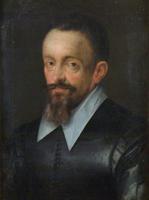
Portrait of a man, possibly Johannes Kepler
Hans von Aachen
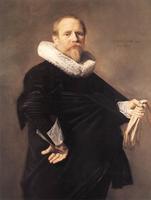
Portrait of a Man
Frans Hals
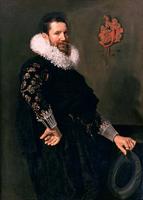
Paulus van Beresteyn
Frans Hals
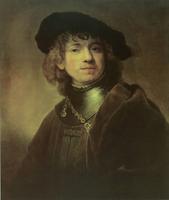
Portrait of Rembrandt
Kamal-ol-Molk
Portrait of Adriaen Stevens
Anthony van Dyck
Portrait of a Gentleman
Gerard van Honthorst