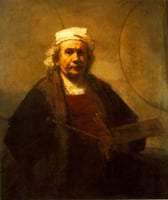
Analisi esperta di Jan Cornelis Sylvius di Rembrandt
Stile: Baroque · Genere: portrait
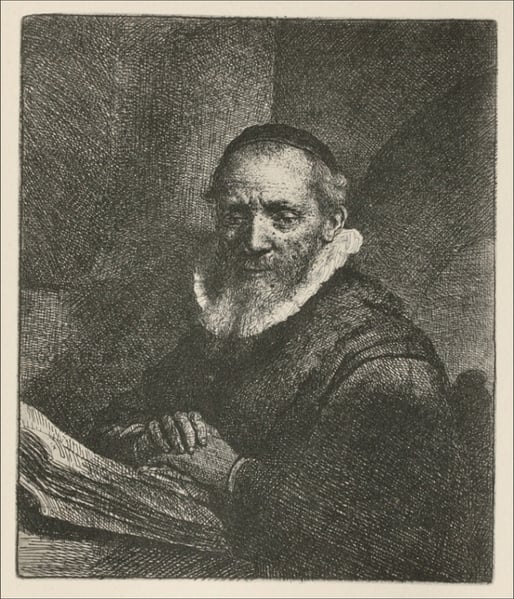
The significance of Jan Cornelis Sylvius within the Baroque period lies in how Rembrandt, the master of Dutch Baroque portraiture, elevates a standard portrait genre into a vehicle for psychological depth and humanistic inquiry. Working within the Baroque emphasis on drama, realism, and emotional resonance, Rembrandt uses chiaroscuro—the stark contrast of light and shadow—to model the sitter’s face with sculptural intensity. Here, the light does not merely illuminate; it seems to emanate from within the subject, drawing the viewer into a contemplative stillness that transcends mere likeness. This approach is a hallmark of Rembrandt’s mature style: he subordinates the opulent trappings often found in Baroque portraiture (costume, setting) to the inner life of the individual. In doing so, the painting becomes a study of character and mortality, aligning with the Baroque’s preoccupation with vanitas and the fleeting nature of earthly life. The work thus stands as a prime example of how Baroque portraiture, in Rembrandt’s hands, shifted from documenting social status to probing the soul, cementing its significance as a touchstone of the period’s enduring legacy.
Visivamente simili
20 opere con composizione e palette affini
Jan Cornelis Sylvius
Rembrandt
Jean Lutma
Rembrandt
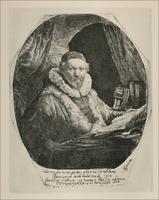
Johannes Uijtenbodaerd
Rembrandt
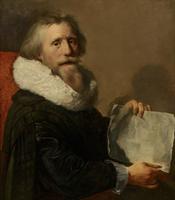
Self portrait
Paulus Moreelse
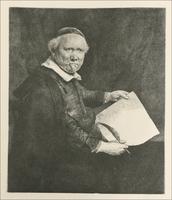
Portrait of Coppenol
Rembrandt
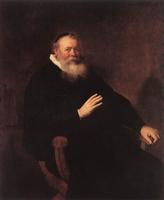
Portrait of Eleazer Swalmius
Rembrandt
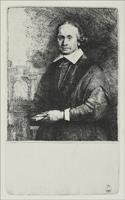
Jan Antonedis van der Linden
Rembrandt
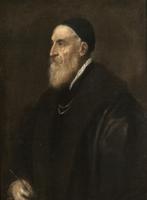
Self-portrait
Titian

Head of a Bearded Man
John Greenhill
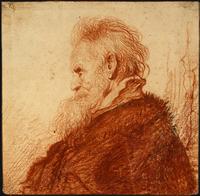
Head of an Old Man
Rembrandt
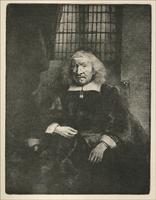
Jacob Haring Portrait (The Old Haring )
Rembrandt
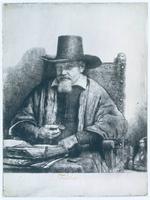
Arnold Tholinx
Rembrandt
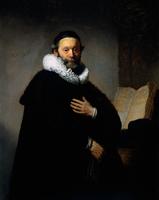
Portrait of Johannes Wtenbogaert
Rembrandt
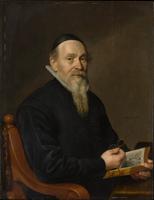
Portrait of a Man, Possibly a Botanist
David Bailly
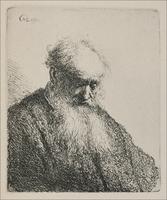
An Old Man with a Beard
Rembrandt
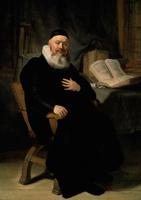
Portrait-Of-Johannes-Elison
Rembrandt
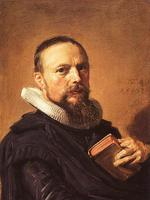
Portrait of Samuel Ampzing
Frans Hals
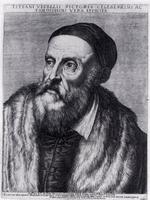
Titian
Agostino Carracci

Jacob Trip
Nicolaes Maes
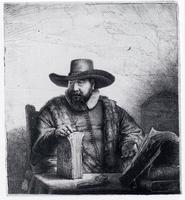
Portrait Of Cornelis Claesz
Rembrandt