
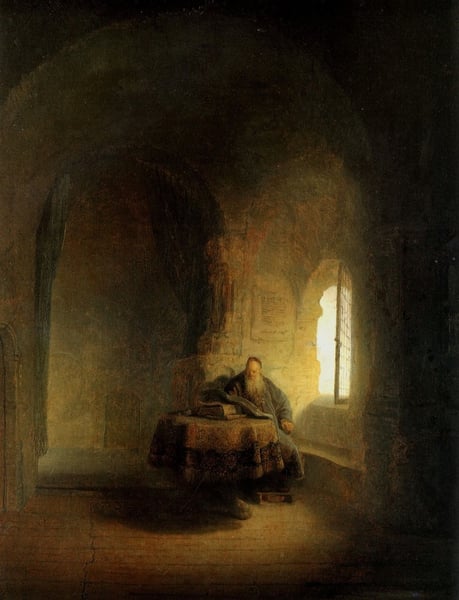
Analisi esperta di Philosopher Reading di Rembrandt
Stile: Baroque · Genere: genre painting
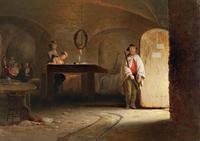
"Philosopher Reading" by Rembrandt is a masterful example of Baroque genre painting, a style that prized dramatic contrast, emotional depth, and a heightened sense of realism. Within this context, the artwork’s significance lies in how Rembrandt transforms a seemingly ordinary scene—a scholar absorbed in a book—into a profound meditation on inner life and the pursuit of knowledge.
The sparse factual descriptors (Baroque style, genre painting) immediately signal two key aspects: first, the work belongs to a period that celebrated the interplay of light and shadow (chiaroscuro) to create theatrical intensity; second, as a genre scene, it depicts everyday people engaged in typical activities, elevating the mundane to a subject worthy of serious art. Rembrandt’s contribution here is to fuse these elements with an introspective stillness that sets his philosopher apart from more overtly dramatic Baroque works.
The absence of explicit details about composition forces the analysis to focus on what we know: the artist, the style, and the genre. Rembrandt’s reputation as a master of psychological portraiture means that even in a small-scale genre piece, he captures the quiet urgency of a thinker lost in thought. The implied shadowy interior and warm illumination—hallmarks of his mature Baroque technique—would direct the viewer’s eye to the philosopher’s face and the page, emphasizing the act of reading as a sacred, solitary ritual. This is significant because it humanizes the intellectual, making wisdom accessible and relatable rather than remote or allegorical.
Furthermore, "Philosopher Reading" exemplifies how Baroque genre painting could operate on multiple levels: as a realistic snapshot of 17th-century life, a symbol of scholarly virtue, and a subtle exploration of light’s symbolic power as enlightenment. Rembrandt’s work helped elevate the genre from anecdotal charm to a vehicle for universal human experience, influencing generations of artists who saw in such quiet moments the deepest truths of the human condition.
Visivamente simili
20 opere con composizione e palette affini
A Scholar in his Study
Salomon Koninck
Astronomer
Salomon Koninck
Parable of the Laborers in the Vineyard
Rembrandt
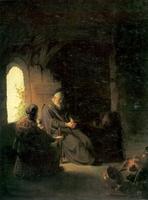
Anna and the Blind Tobit
Rembrandt
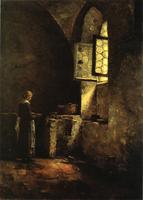
A Corner in the Old Kitchen of the Mittenheim Cloister
T. C. Steele
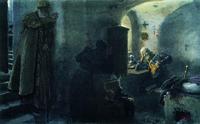
Monk Filaret Imprisoned in the Antonievo-Siyskiy Monastery
Ilya Repin
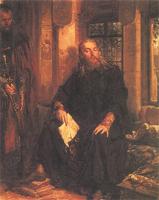
Wladyslaw White in Dijon
Jan Matejko
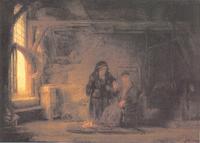
Tobit and Anna with the Kid
Rembrandt
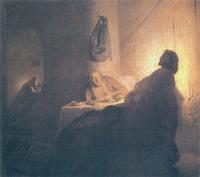
The Supper at Emmaus
Rembrandt
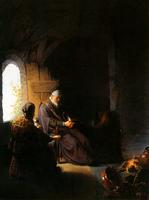
Anna and blind Tobit
Gerrit Dou
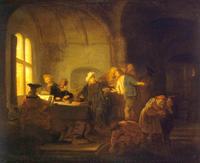
Parable of the Workers in the Vineyard
Salomon Koninck
The Philosopher
Hubertus van Hove
Philosopher with an Open Book
Salomon Koninck
Salome in Prison
Gustave Moreau
Boris Godunov with Ivan the Terrible
Ilya Repin
Tobit and Anna
Rembrandt
Tsar Boris and the Queen Martha
Nikolai Ge
The Cotter's Saturday Night
David Wilkie
Ash Wednesday
Carl Spitzweg
Entrance to Fort Sumter
Conrad Wise Chapman