Expert Analysis: The Abduction of Ganymede (1635) by Rembrandt van Rijn
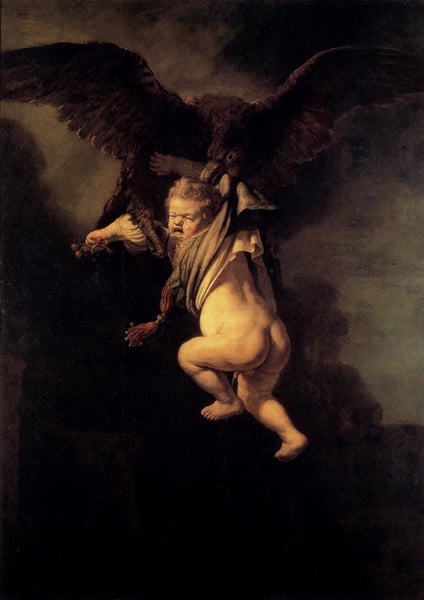
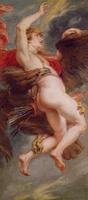
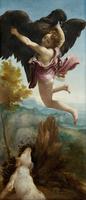
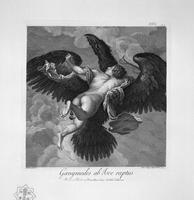
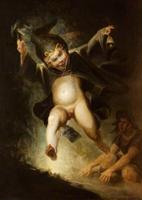
Rembrandt’s The Abduction of Ganymede is a striking departure from classical mythological conventions, rendered with the dramatic chiaroscuro and emotional rawness characteristic of the Baroque period’s Tenebrist style. Unlike the idealized, graceful youth often depicted in Renaissance and earlier Baroque treatments of the myth, Rembrandt portrays Ganymede as a terrified, squalling infant—chubby, helpless, and visibly resisting the eagle’s grip. This radical naturalism, rooted in the artist’s relentless pursuit of human truth, imbues the scene with unsettling psychological intensity. The eagle (Zeus) is no majestic god but a sharp-beaked, predatory bird, its talons digging into the child’s flesh, emphasizing abduction as a violent, traumatic act rather than a romantic elevation.
The painting’s significance lies in Rembrandt’s subversion of the heroic and eroticized tradition. By grounding the myth in genuine fear and bodily struggle, he critiques idealized narratives and instead presents a dark, visceral moment of power imbalance—a hallmark of Baroque Tenebrism’s emotional realism. The stark spotlight on Ganymede’s expressive face and crumpled body, set against an almost black background, forces the viewer into an uncomfortable confrontation with the myth’s brutality. This work exemplifies how Rembrandt used tenebrous lighting not merely for dramatic effect but to expose raw human vulnerability, making the divine abduction disturbingly, palpably real.