
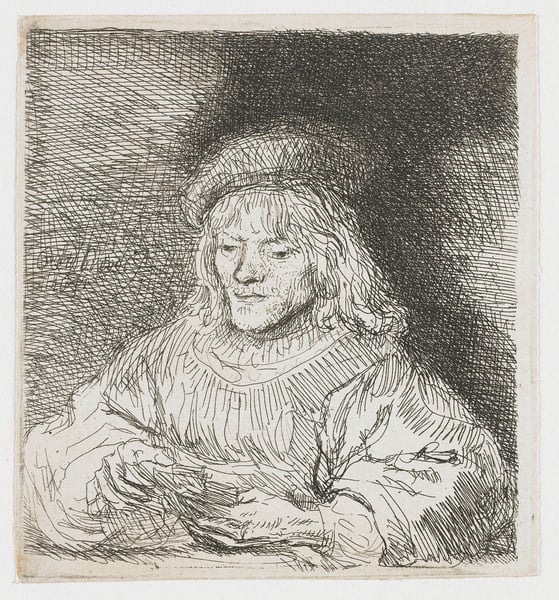
Expert analysis of Rembrandt’s The card player
Style: Baroque · Genre: portrait
Expert Art Historical Analysis:
"The Card Player" by Rembrandt (Baroque, Portrait Genre)
Rembrandt van Rijn’s The Card Player stands as a masterful example of Baroque portraiture, distinguished by its profound psychological penetration and revolutionary handling of light. While the genre of the card player was often treated as a moralizing or anecdotal scene in Dutch genre painting, Rembrandt elevates it to a solemn, intimate portrait of a solitary individual.
Significance within the Baroque Style:
The work embodies the Baroque obsession with chiaroscuro—the dramatic contrast of light and dark. Rembrandt uses light not merely to model form but as a narrative and emotional device. Here, a focused, almost theatrical beam falls on the figure’s face and hands, isolating the act of holding a card from the surrounding obscurity. This technique, known as clair-obscur, transforms a simple game into a moment of quiet tension, drawing the viewer into the psychological state of the sitter. The deep, warm shadows characteristic of Rembrandt’s late style also create a sense of enclosed, contemplative space, typical of the Baroque interest in intimate drama.
Significance as a Portrait:
Unlike many Baroque portraits that glorified nobility or depicted idealized types, Rembrandt’s portrait of a card player dignifies an everyday figure. The sitter is not a king or scholar but a person caught in a reflective pause—perhaps calculating odds, contemplating a bluff, or lost in thought. Rembrandt’s treatment of the face is unflinching in its realism: the texture of skin, the slight furrow of the brow, the subtle play of light in the eyes. This focus on inner life over outward status is a hallmark of Rembrandt’s contribution to portraiture. The loose, visible brushwork in the background and clothing—another Baroque feature, pittura di macchia (painting of patches)—suggests the rapid, spontaneous recording of fleeting expression.
Contextual and Thematic Depth:
The theme of a card player inherently suggests risk, deception, and fortune—common Baroque allegories for the unpredictability of life. Yet Rembrandt avoids didacticism. Instead, he presents the subject with empathy, leaving the narrative open. The card itself becomes a symbol of chance and human fallibility, while the sitter’s expression defies simple reading. This ambiguity is central to the work’s significance: it challenges the viewer to interpret, mirroring the Baroque fascination with the unstable boundary between appearance and reality.
Conclusion:
The Card Player is significant because it synthesizes the Baroque’s technical innovations—dramatic lighting, rich texture, and psychological intensity—with Rembrandt’s unique ability to find universal human experience in a humble subject. It redefines the portrait genre by prioritizing inner character over social rank, and it remains a compelling study of stillness and introspection within the dynamic, theatrical language of Baroque art.
Visually similar
20 works with related composition and palette
A Man Playing Cards
Rembrandt
A Man with a Crucifix and Chain
Rembrandt

Portrait of Barent van Orley
Albrecht Durer
Jacob Haring Portrait (The Old Haring )
Rembrandt

Portrait of a Man (Konrad Peutinger)
Albrecht Durer
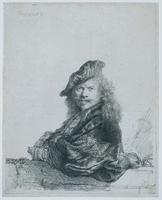
Self-portrait leaning on a stone sill
Rembrandt
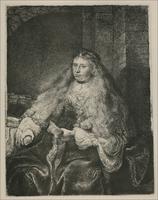
Study of Saskia called the Great Jewish Bride
Rembrandt
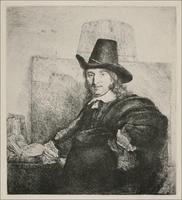
Portrait of Jan Asselyn
Rembrandt
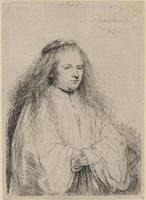
Saskia as St. Catherine
Rembrandt

Lucas Van Uden
Anthony van Dyck
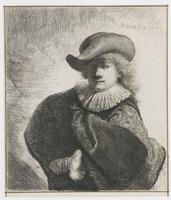
Self-portrait in a soft hat and embroidered cloak
Rembrandt
Arcolano Armafrodito
Wenceslaus Hollar
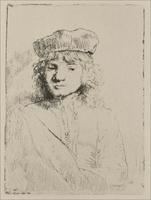
Portrait of Titus, Rembrandt`s Son
Rembrandt
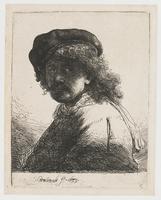
Self-portrait in a cap and scarf with the face dark bust
Rembrandt
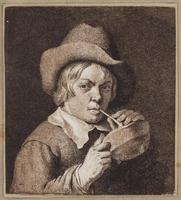
a Boy Lighting a Pipe
Cornelis van Noorde
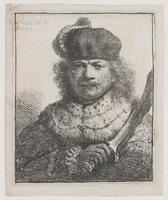
Self-portrait with raised sabre
Rembrandt

Portrait Of An Unknown Man
Albrecht Durer
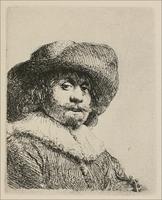
A Portrait of a Man with a Broad Brimmed Hat and a Ruff
Rembrandt
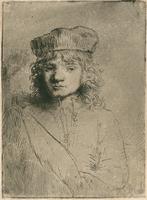
The artist`s son Titus
Rembrandt

Young Man with a Skull
Lucas van Leyden