
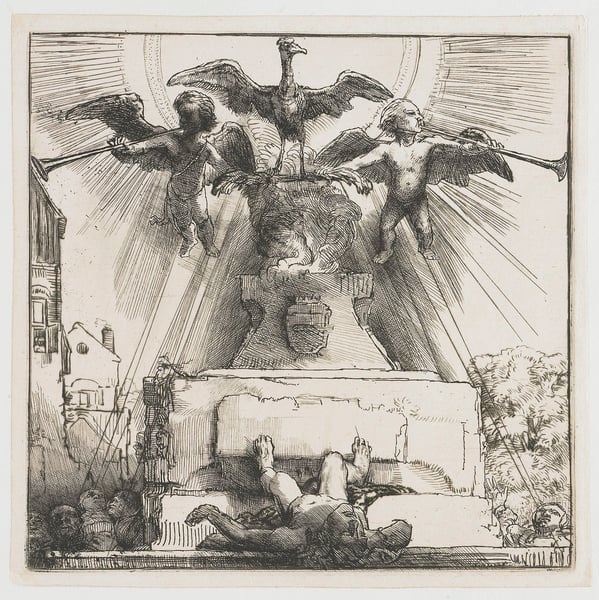
Expertenanalyse zu Rembrandts The phoenix or the statue overthrown
Stil: Baroque · Genre: mythological painting
Expert Analysis of "The phoenix or the statue overthrown" by Rembrandt
Within the Baroque tradition, Rembrandt’s mythological painting stands as a masterful fusion of dramatic narrative and personal allegory. The work draws its power from the artist’s signature chiaroscuro—deep shadows and luminous highlights that animate the central conflict between destruction and rebirth. By choosing the phoenix myth (a symbol of resurrection) alongside an overthrown statue (suggesting the fall of idolatry or tyranny), Rembrandt transcends mere illustration. He imbues the scene with the Baroque obsession with vanitas and transience: the statue’s collapse mirrors the fleeting nature of earthly power, while the phoenix implies spiritual renewal.
Significantly, Rembrandt humanizes the mythological subject. Unlike the grand, theatrical gods of his contemporaries, his figures feel palpably real—their gestures, textures, and expressions rooted in observed life. This psychological depth, combined with the bold, broken brushwork typical of his later style, makes the painting a quintessential Baroque meditation on mortality and hope. The phoenix is not a static emblem but a burst of dramatic action, its wings sweeping through the tenebrous space, a visual metaphor for Baroque movement and inner transformation. In this work, Rembrandt proves that mythological painting can be both a spectacle of light and a profound philosophical statement.
Stil
Visuell ähnlich
20 Werke mit ähnlicher Komposition und Farbpalette
Allegory United Province
Theodoor van Thulden
Democritus in Meditation
Salvator Rosa
Venus desolate by the death of Adonis
Giovanni Battista Piranesi
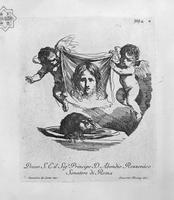
Two cherubs with the Holy Face and the head of St. John the Baptist
Giovanni Battista Piranesi
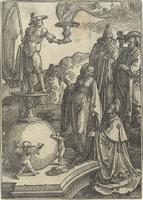
The idolatry of Solomon
Lucas van Leyden
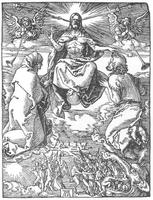
The Last Judgment
Albrecht Durer
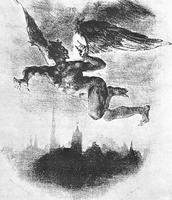
Mephistopheles Over Wittenberg (From Goethe's Faust)
Eugene Delacroix
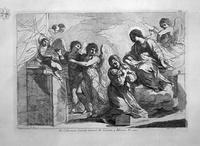
St. Teresa with Child Jesus
Giovanni Battista Piranesi
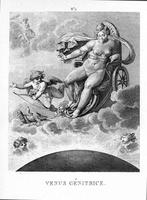
Venus Genitrice
Agostino Carracci
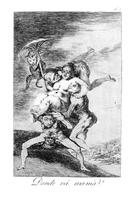
Where is mother going?
Francisco Goya
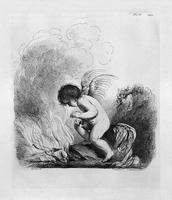
Cupid looking to burn the bow and arrows by Guercino
Giovanni Battista Piranesi
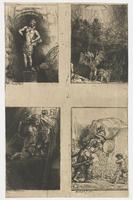
Four illustrations to a Spanish book
Rembrandt
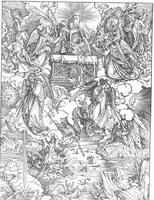
The Seven Trumpets Are Given to the Angels
Albrecht Durer
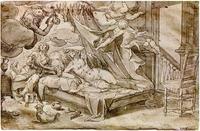
Danae
Joachim Wtewael
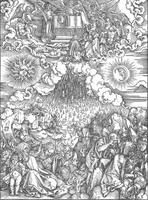
The Opening of the Fifth and Sixth Seals
Albrecht Durer
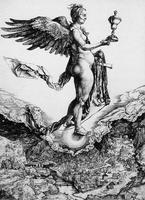
Nemesis (The Great Fortune)
Albrecht Durer
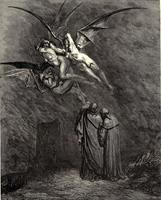
The Inferno, Canto 9
Gustave Dore
Illustration to the Iliad
John Flaxman
Vedute di Roma
Giovanni Battista Piranesi
The Angel
Gustave Dore