The Big wave
Expert analysis of Katsushika Hokusai’s The Big wave
Style: Ukiyo-e · Genre: marina
Expert Analysis: "The Big Wave" by Katsushika Hokusai
Style: Ukiyo-e | Genre: Marina
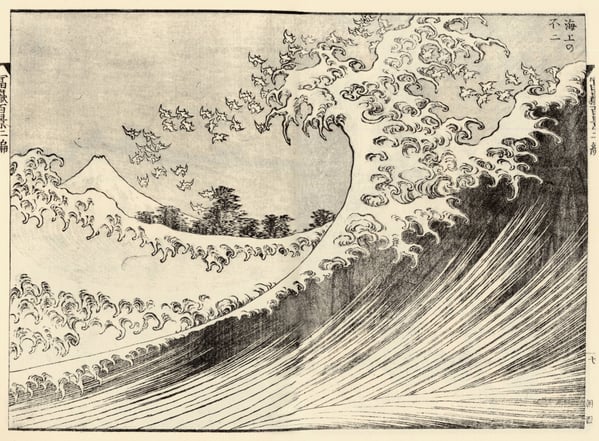
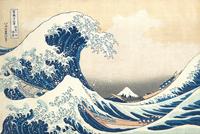
Hokusai’s "The Big Wave" (commonly known as The Great Wave off Kanagawa) stands as one of the most iconic achievements of the Ukiyo-e style—a genre of Japanese woodblock prints that flourished from the 17th to the 19th centuries, characterized by bold outlines, flat areas of color, and keen attention to everyday life and nature. As a marine work (marina in Western genre terms), it elevates a simple seascape into a dramatic, symbolic confrontation between human fragility and natural power.
Significance within Ukiyo-e and its Period
- Dynamic Composition: The wave dominates the frame, its curling crest resembling a claw or dragon, while Mount Fuji remains serene and tiny in the distance. This stark contrast between the violent, organic energy of the water and the calm, geometric perfection of the mountain is a hallmark of Hokusai’s mature style.
- Print Series Context: The work is the first plate in Hokusai’s series Thirty-six Views of Mount Fuji, a Ukiyo-e series that revolutionized landscape prints by placing a sacred national symbol within changing, everyday scenes. Its marine focus distinguishes it from more traditional views of the mountain.
- Global Influence: The wave’s sweeping, almost abstract curves and the use of Prussian blue (a Western pigment) exemplify how Ukiyo-e blended Japanese tradition with imported materials. This print later inspired European artists like Van Gogh and Monet, becoming a symbol of Japonism and a bridge between Eastern and Western art.
Why It Matters
"The Big Wave" is significant because it encapsulates the Ukiyo-e ethos of capturing a fleeting moment (ukiyo meaning “floating world”) while infusing it with timeless drama. Its balancing of motion and stillness, chaos and order, defines the genre’s highest ambitions. As a marine work, it transforms the sea from a mere backdrop into an active, emotional protagonist—a feat that continues to resonate in global visual culture.
Visually similar
20 works with related composition and palette
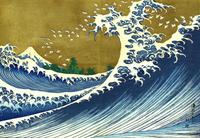
A colored version of the Big wave
Katsushika Hokusai
The Great Wave off Kanagawa
Katsushika Hokusai
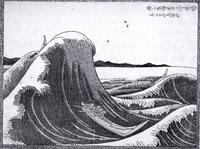
Cargo ship and wave
Katsushika Hokusai
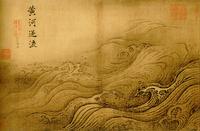
Water Album - The Yellow River Breaches its Course
Ma Yuan
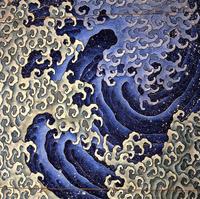
Masculine wave
Katsushika Hokusai
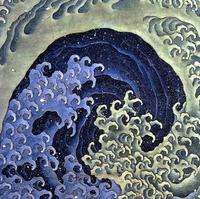
Femenine wave
Katsushika Hokusai
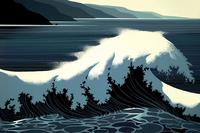
A Sounding of Surf
Eyvind Earle
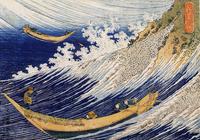
Ocean waves
Katsushika Hokusai
Sea
Nicholas Roerich
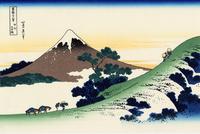
Inume pass in the Kai province
Katsushika Hokusai
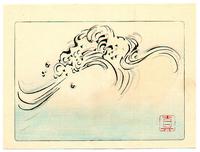
Wild Waves - Hana Kurabe
Shibata Zeshin
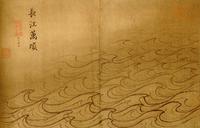
Water Album - Ten Thousand Riplets on the Yangzi
Ma Yuan
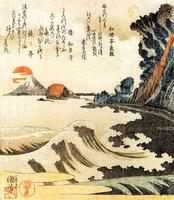
View of Mt. Fuji
Utagawa Kuniyoshi
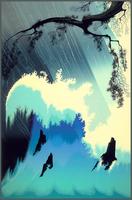
Ocean Splash
Eyvind Earle
Keyamura Rokusuke under the Hikosan Gongen waterfall
Utagawa Kuniyoshi
In the Waves at Kakuda enroute to Sado Island, Edo period
Utagawa Kuniyoshi
The Wave
C. R. W. Nevinson
The blue wave
Hélène Guinepied
Floating a Canoe
Nandalal Bose
The White Wave
Eyvind Earle