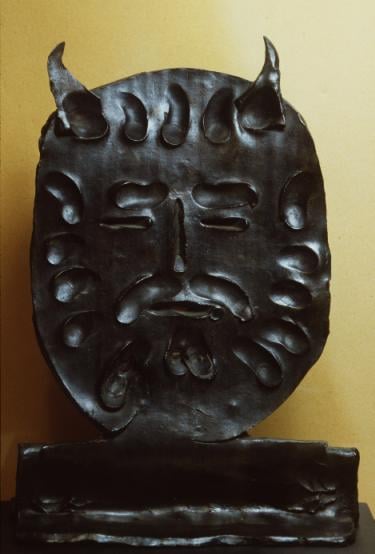
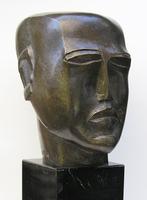
Expert Analysis: "Head of Faun" by Pablo Picasso
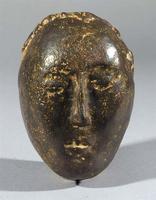
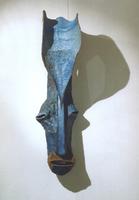
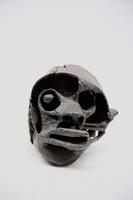
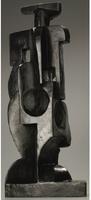
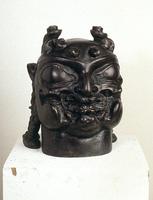
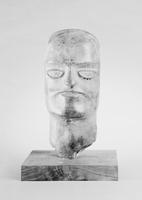
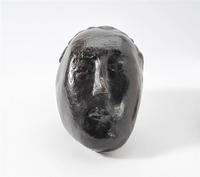
This sculpture, rendered in the Naïve Art (Primitivism) style during Picasso’s Neoclassicist & Surrealist Period, marks a significant fusion of seemingly contradictory impulses—archaic simplicity and modern psychological depth. As a sculpture, it breaks from traditional naturalism, instead channeling the raw, untutored forms of tribal and folk art that Picasso admired. The “Faun” subject, drawn from classical mythology, is deliberately stripped of classical grace; its rough-hewn surface and exaggerated features evoke a primal, almost atavistic energy. This tension between the mythological (Neoclassicist) and the irrational (Surrealist) makes the work a pivotal example of Picasso’s ability to synthesize ancient archetypes with avant-garde experimentation. The piece’s significance lies in how it challenges the boundaries between high art and “primitive” expression, foreshadowing the Surrealist fascination with the unconscious and the primordial.