This analysis is based solely on the provided facts.
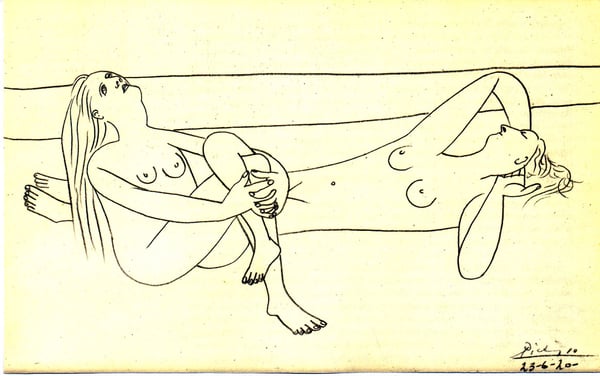
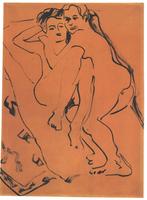
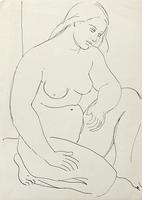
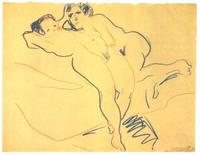
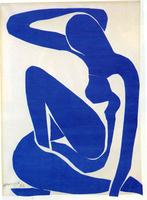
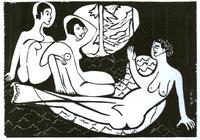
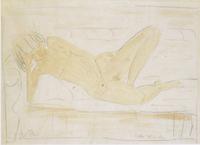
"Nudes in Reverie" by Pablo Picasso is significant as a rare synthesis of three distinct artistic vocabularies: Neoclassicism, Surrealism, and Naïve Art (or Primitivism). Painted during Picasso’s Neoclassicist & Surrealist Period, the work fuses the monumental, sculptural nude forms of his neoclassical phase with the dreamlike, subconscious atmosphere characteristic of Surrealism. At the same time, its classification as Naïve Art (Primitivism) signals a deliberate rejection of polished academic technique in favor of simplified, almost childlike forms and raw expressive power.
This combination is notable because it challenges the conventional boundaries of Picasso’s own oeuvre. Most works from this period tend to emphasize either the classical order and weight of the Neoclassicist style or the disorienting, irrational imagery of Surrealism. Here, the title “in reverie” directly invokes a surrealist state of daydream, while the nude genre—traditionally handled with idealized perfection—is recast with the unschooled, direct quality of Primitivism. The result is an artwork that feels both timeless and unsettling, connecting the deep history of the nude to a modern, instinctual exploration of form and consciousness. In doing so, it exemplifies Picasso’s enduring fascination with breaking academic rules to access a more primal, authentic mode of expression.