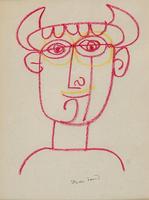
Expert Analysis: Plat ovale (Pablo Picasso, Later Years)
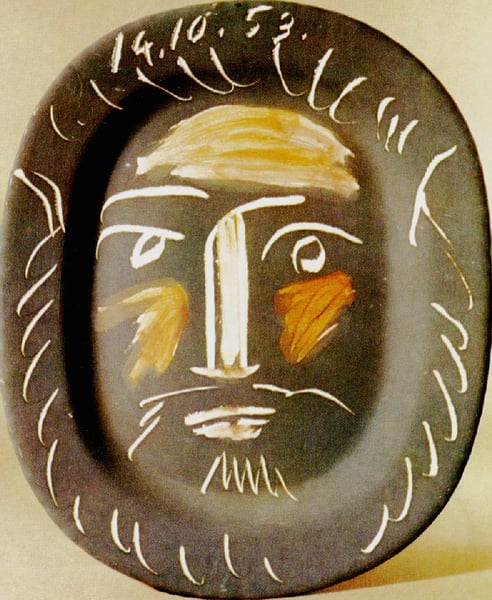
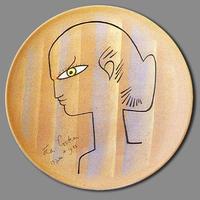
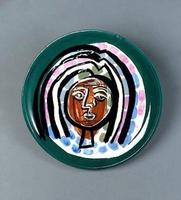
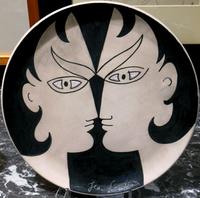
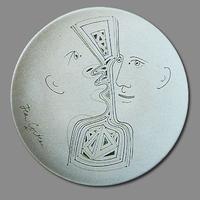
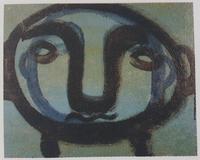
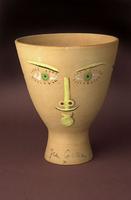
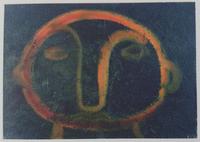
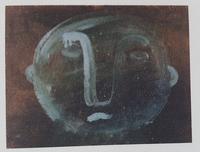
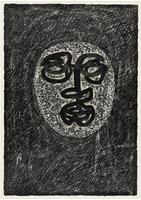
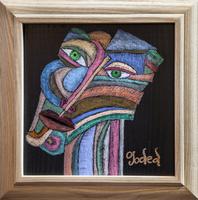
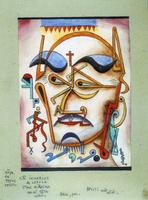
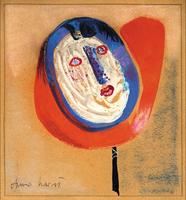
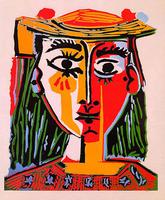
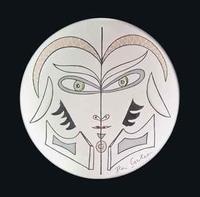
Painted during Picasso’s final creative period, Plat ovale exemplifies the artist’s enduring engagement with Naïve Art (Primitivism) — a style he helped pioneer and continued to revisit throughout his career. In this oval-format portrait, Picasso strips away Renaissance perspective, anatomical accuracy, and psychological depth, instead embracing the flat, frontal, and schematic qualities of tribal masks and folk art. The work’s significance lies in how it synthesizes decades of formal experimentation into a distilled, late-career statement: the human face becomes a hieroglyph of bold outlines, asymmetrical features, and expressive distortion. By choosing an oval canvas—a traditional format for aristocratic portraiture—Picasso ironically subverts classical conventions, replacing refinement with raw, childlike directness. This portrait is not a likeness but an archetype, a testament to primitivism’s power to convey timeless, universal emotion through deliberate “naïveté.” In his later years, Picasso thus reaffirms that the most radical modernism can coexist with the simplest, most ancient ways of seeing.