Expert Analysis: Diana and Callisto by Titian
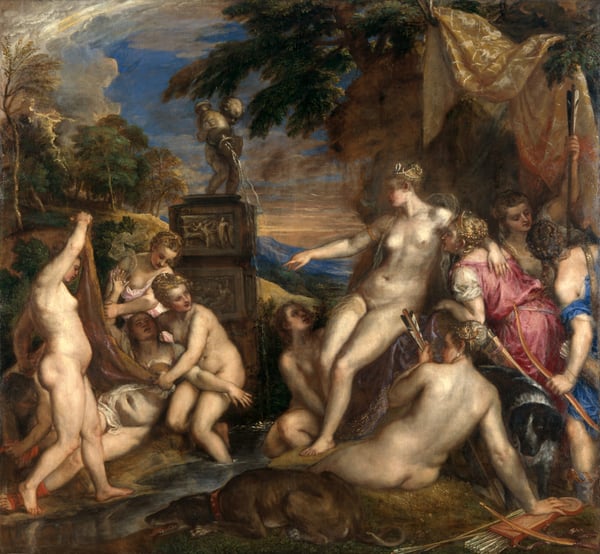
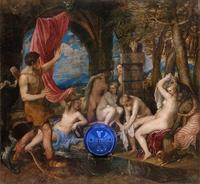
Titian’s Diana and Callisto stands as a pivotal work of the Late Renaissance, bridging the balanced naturalism of the High Renaissance with the more complex, emotionally charged tendencies of Mannerism. Painted during the artist’s mature period, the canvas exemplifies his revolutionary approach to color—colorito—where hue and light, rather than line, structure the narrative.
Mannerist Characteristics:
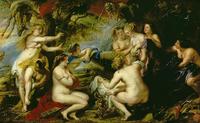
The composition rejects the stable pyramid of earlier Renaissance works in favor of a dynamic, serpentine arrangement. Diana’s nymphs twist and gesture in a spiraling frieze, their elongated forms and theatrical poses prefiguring the artifice of Mannerism. The focal point—Callisto’s exposed belly, her pregnancy revealed—creates a tense, almost awkward moment of confrontation, emphasizing emotional distress over idealized beauty.
Significance within Style:
Titian infuses the myth with psychological depth. Unlike earlier treatments that celebrate the hunt or goddess, here the drama lies in the violation of chastity and the cruelty of divine justice. The vivid, broken strokes of Diana’s crimson drapery and the mottled flesh tones evoke a sensuous yet troubled world, where color itself becomes a vehicle for pathos.
Legacy:
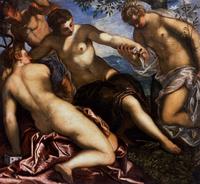
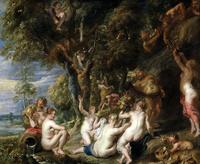
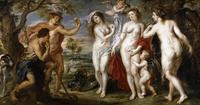
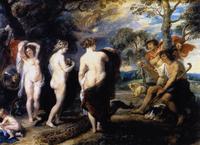
This work’s synthesis of Venetian colorism with Mannerist complexity influenced generations—from Tintoretto’s swirling figures to Rubens’ baroque dynamism. It remains a testament to Titian’s ability to push the Late Renaissance toward a new, more subjective and theatrical mode of expression.