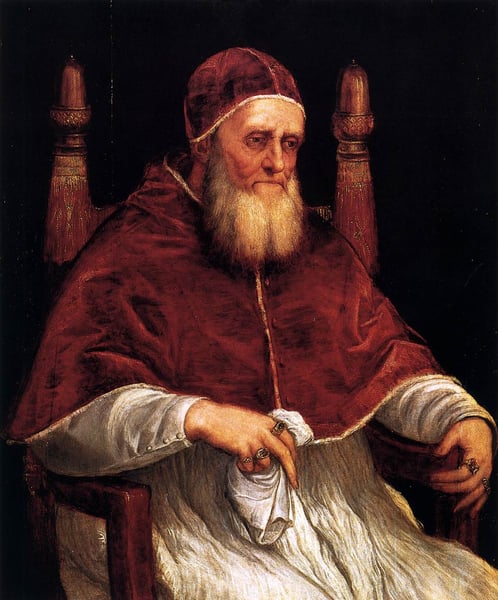
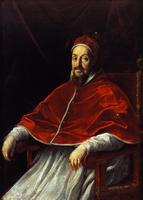
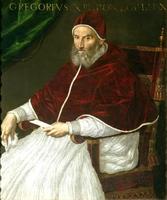
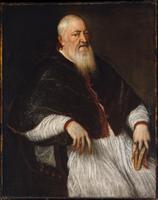
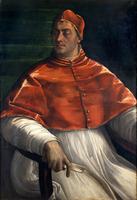
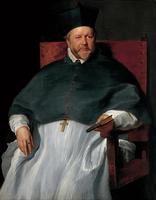
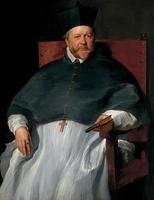
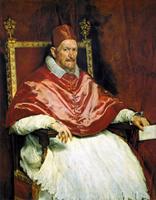
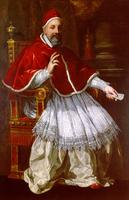
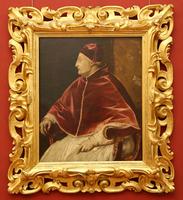
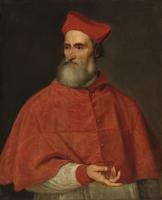
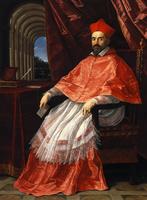
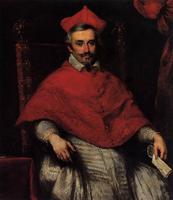
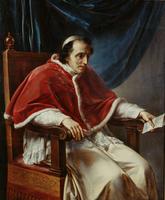
The significance of Titian’s Portrait of Pope Julius II lies in its direct embodiment of Mannerist ideals within the portrait genre. As a work classified in the Mannerist (Late Renaissance) style, it departs from the balanced naturalism of earlier Renaissance portraiture, instead emphasizing an intensified psychological presence through exaggerated features and a sense of formal tension. The painting captures the pope not merely as a religious leader but as a complex, powerful individual—a hallmark of Mannerist portraiture that prioritizes intellectual and emotional impact over idealized harmony. Titian’s handling of the subject within this stylistic framework marks a crucial shift from High Renaissance serenity toward the more expressive, artificial elegance that defines the period’s artistic innovation.