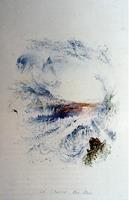
Expert Analysis: "Study of Water" by Leonardo da Vinci
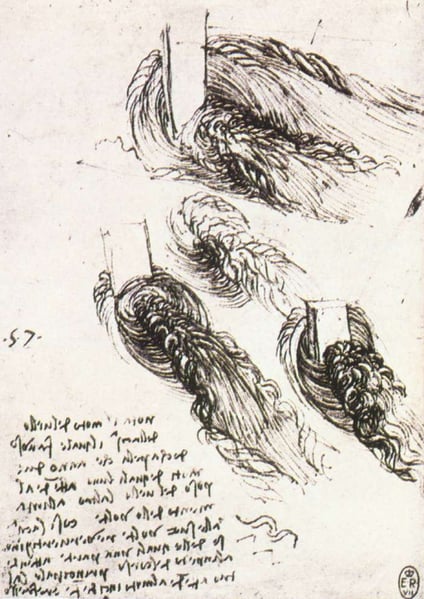
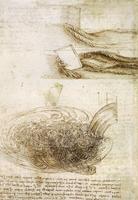
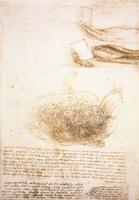
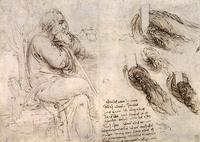
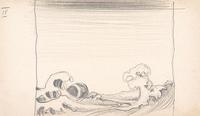
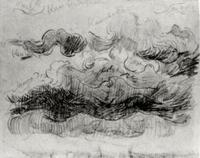
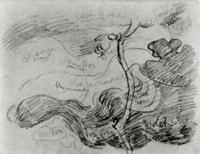
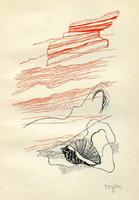
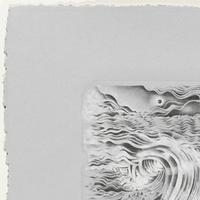
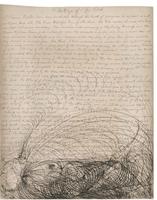
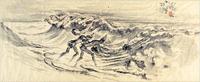
Leonardo da Vinci’s Study of Water exemplifies the High Renaissance fusion of art and science, revealing the artist’s relentless curiosity about natural phenomena. As a sketch and study, this work transcends mere preparatory drawing; it is a testament to Leonardo’s empirical method of observing, dissecting, and reconstructing the physical world. The fluidity of water—its eddies, turbulence, and reflective surfaces—is captured with unparalleled precision, showcasing his mastery of line and shading to convey motion and transparency.
Within the High Renaissance context, such studies were groundbreaking: they elevated naturalistic observation to a philosophical inquiry, blending artistic skill with nascent scientific investigation. This work is significant because it demonstrates how Leonardo used drawing not only as a tool for composition but as a means to understand and document the underlying forces of nature. The study’s meticulous detail and dynamic energy anticipate later scientific illustrations and underscore Leonardo’s role as a pioneer in both art and empirical observation.