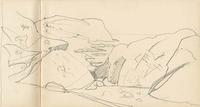
Analysis of "Kiss the Earth" by Nicholas Roerich
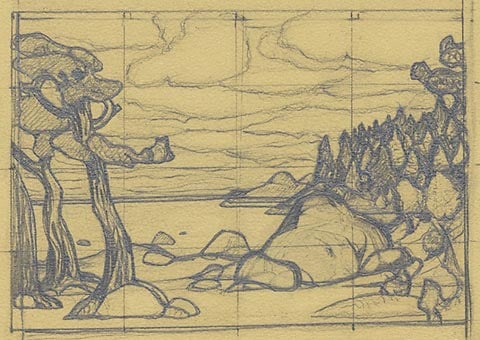
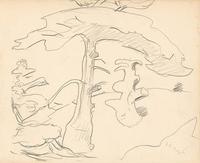
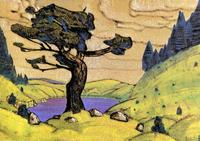
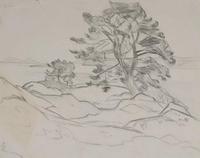
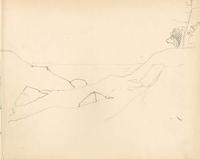
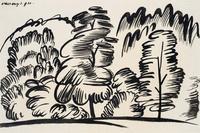
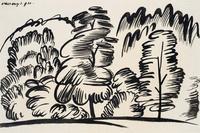
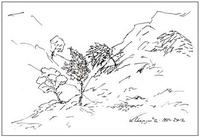
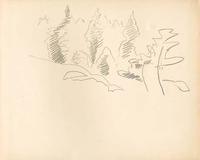
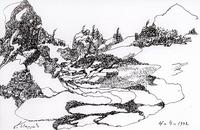
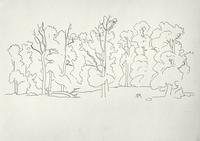
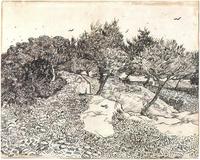
As a sketch and study within the Art Nouveau (Modern) style, "Kiss the Earth" exemplifies the period’s emphasis on fluid, organic forms and the intimate connection between art and nature. In its unfinished, exploratory state, the work reveals Roerich’s process of distilling essential lines and gestures—hallmarks of the Art Nouveau preoccupation with rhythmic, curving compositions that often verge on the decorative.
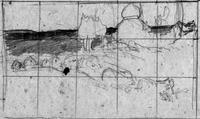
The sketch’s significance lies in its role as a preparatory study, which allows us to glimpse the artist’s hand and decision-making. Such studies were central to Art Nouveau’s integration of fine art into design and architecture, where preliminary drawings often informed larger, more polished works. By focusing on the elemental gesture of “kissing the earth,” Roerich aligns with the movement’s spiritual and symbolic tendencies, suggesting a reverence for the natural world that resonates with Art Nouveau’s broader mission to harmonize human creativity with organic beauty.
In this context, the sketch is not merely a step toward a finished piece but a distilled expression of the era’s core ideals: the fusion of art, nature, and the intimate act of creation itself.