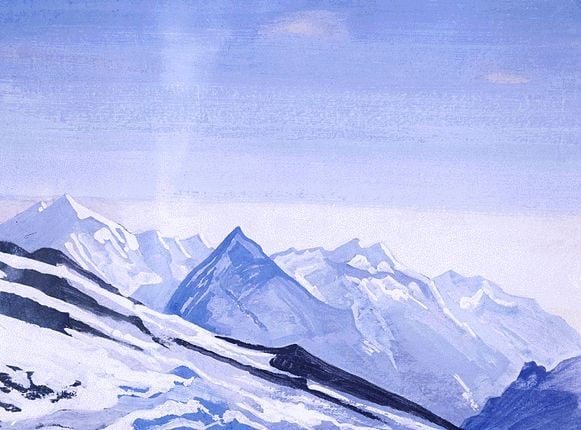
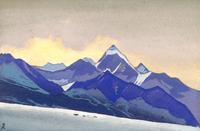
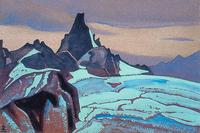
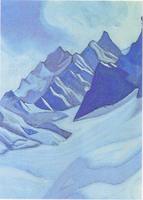
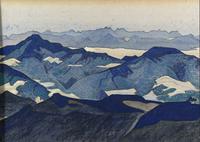
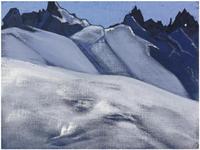
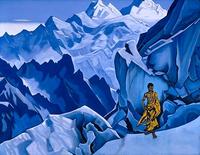
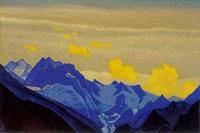
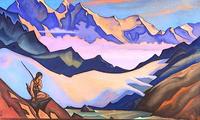
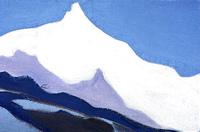
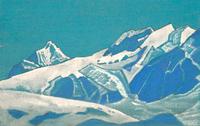
As an expert art historian, I can provide an analysis of Rohtang Pass by Nicholas Roerich, using only the supplied facts: it is a Symbolist landscape.
Within the Symbolist movement, landscapes served not as mere topographical records but as vessels for spiritual and metaphysical meaning. Rohtang Pass exemplifies this by transforming a specific geographic location in the Himalayas into a site of transcendence. Roerich, working in the Symbolist tradition, elevates the genre of landscape painting beyond the naturalistic. The pass becomes a threshold—a liminal space that signifies transition, both physically (the crossing of a high mountain pass) and spiritually (a journey toward enlightenment). The significance of this work lies in its ability to fuse the precise, documented geography of the Rohtang Pass with the Symbolist ambition to evoke the sublime and the eternal. The composition likely emphasizes stark, monumental forms and a restrained, luminous palette to suggest a world beyond the visible, where the rugged terrain of nature mirrors the inner landscape of the soul. In Roerich's hands, the landscape genre is reimagined as a meditation on the unity of earth and spirit, making Rohtang Pass a quintessential example of Symbolism’s departure from realism into the realm of poetic suggestion.