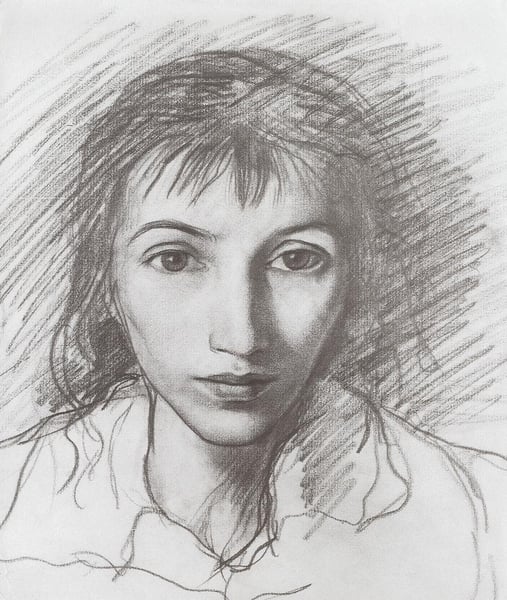
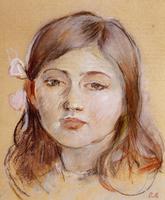
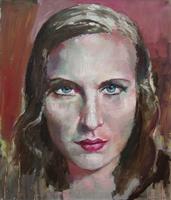
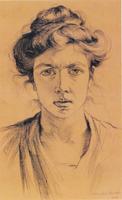
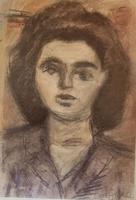
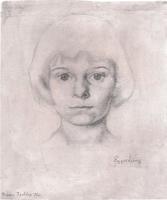
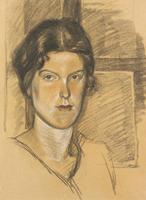
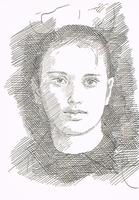
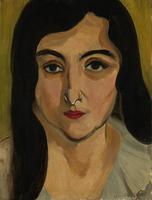
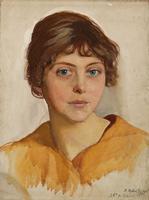
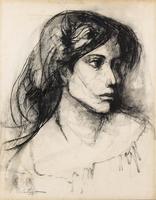
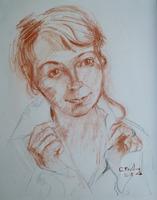
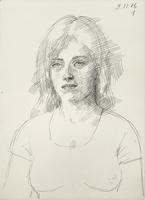
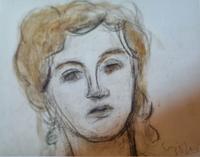
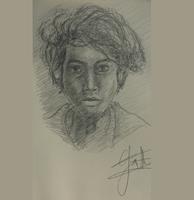
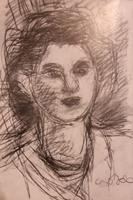
Zinaida Serebriakova’s Self-portrait is a compelling example of Expressionist self-portraiture, a genre she used to probe psychological depth and personal identity. The work’s significance lies in its departure from academic naturalism: typical of Expressionism, it likely employs distorted forms, heightened color contrasts, and vigorous brushwork to convey inner emotional states rather than external verisimilitude. As a self-portrait, it becomes an intimate record of the artist’s subjective experience, challenging conventional depictions of femininity and authorship. Within the Expressionist movement, such works affirmed the artist’s role as both creator and subject, merging autobiography with a universal exploration of human vulnerability and resilience.