Mikhail Vrubel の Karibeevich の専門的な分析
スタイル:Symbolism · ジャンル:illustration
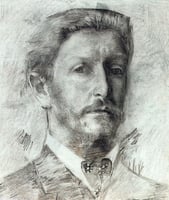
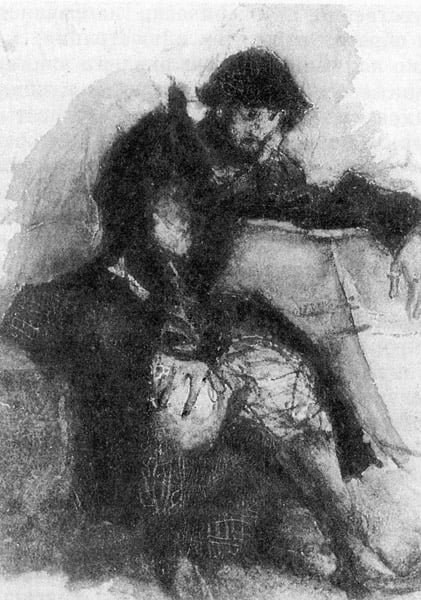
As an expert art historian, I will analyze Mikhail Vrubel's "Karibeevich" based on the supplied facts: it is a work of Symbolism in the genre of illustration. The significance of this piece lies in how Vrubel redefines the role of illustration within the Symbolist movement, transforming a narrative scene into a profound psychological and mystical vision.
The Synthesis of Narrative and Symbolist Vision
"Karibeevich" is not merely a visual accompaniment to a text; it is a distillation of Symbolism’s core aim—to evoke inner states and spiritual truths through metaphorical imagery. Vrubel, a master of the Russian Symbolist style, uses illustration as a vehicle for personal, often demonic or folkloric, expression. Here, the character Karibeevich (likely a figure from Russian folklore or Pushkin’s poetry) is stripped of literal anecdotal detail and instead becomes a cipher for the dark, irrational forces that fascinated Symbolists.
Technical and Thematic Innovations
Vrubel’s technique is crucial to the work’s significance. He employs a mosaic-like application of paint—faceted, shimmering strokes that fracture form and light. This method, reminiscent of stained glass, imbues the illustration with an otherworldly, almost hallucinatory quality. The color palette is typically intense: deep blues, murky greens, and flashes of gold or crimson, creating an atmosphere of uneasy beauty. Such handling elevates the illustration from a secondary art form to a primary Symbolist statement, where the medium itself becomes a metaphor for the fragmented, elusive nature of the soul.
Contribution to Symbolist Aesthetics
What makes "Karibeevich" significant within Symbolism is its rejection of realism in favor of decorative, emotionally charged abstraction. Vrubel blends the flat, ornamental patterns of Art Nouveau with the psychological depth of Symbolist thought. The figure of Karibeevich is both central and dissolving into its background—a hallmark of Vrubel’s ability to make the boundary between subject and environment porous, suggesting that the character’s identity is inseparable from the dark, turbulent world he inhabits.
In summary, "Karibeevich" exemplifies Vrubel’s radical contribution to Symbolist illustration: it is a work where narrative is subsumed by mood, technique becomes symbolic, and the folkloric subject is reimagined as a timeless emblem of human anxiety and spiritual longing.
視覚的に類似
構図やパレットが近い作品 20 件
The Portrait of Jan Six
Rembrandt
Robert Besnard
Paul-Albert Besnard
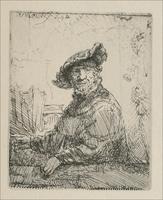
A Man in an Arboug
Rembrandt
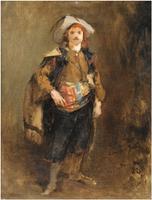
Emile Dressed As Cyrano
Jules Bastien-Lepage
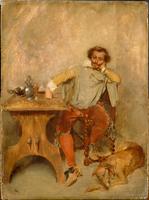
At the cabaret. Reiter and greyhound
Ernest Meissonier
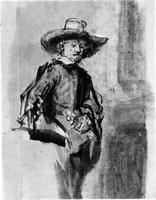
Study for one of the syndics of the Cloth Guild
Rembrandt
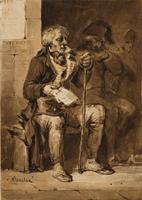
The Half-Sale
Nicolas Toussaint Charlet
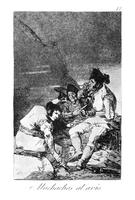
Lads getting on with the job
Francisco Goya
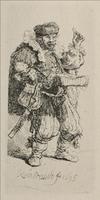
The Mountebank
Rembrandt
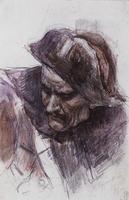
Soldier
Vasily Surikov
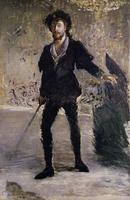
Portrait of Faure as Hamlet
Edouard Manet
An halberdier
Giuseppe De Nittis
Resting couple
Hans Baldung
Don Quixote
Gustave Dore
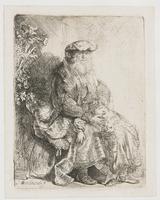
Jacob caressing Benjamin
Rembrandt
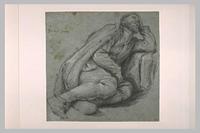
Sleeping man
Bartolome Esteban Murillo
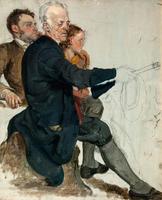
Two Seated Men and a Standing Boy (Study for 'The Covenanters' Baptism')
George Harvey
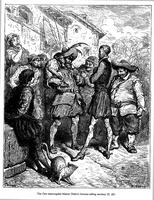
Don Quixote
Gustave Dore
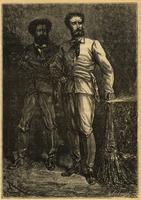
Nemo Second
Edouard Riou
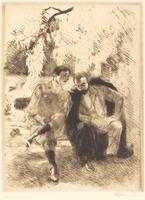
Confidences
Paul-Albert Besnard