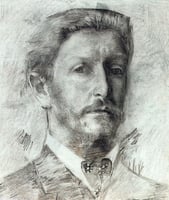
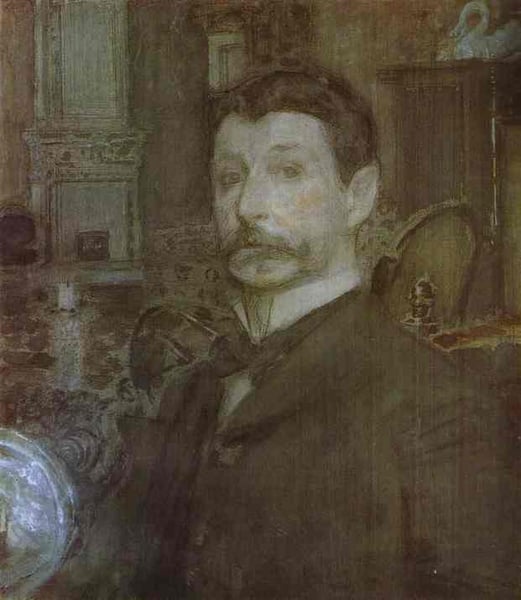
Expert analysis of Mikhail Vrubel’s Self Portrait
Style: Symbolism · Genre: self-portrait
Mikhail Vrubel’s Self Portrait is a compelling example of the Symbolist movement’s turn toward subjective, psychological expression. As a self-portrait, it transcends mere likeness to become a meditation on the artist’s inner state—a core tenet of Symbolism, which prioritized emotional and spiritual experience over objective representation. The work’s significance lies in how Vrubel uses the genre to embody Symbolist ideals: the portrait reveals not just the face of the artist, but the complex, often tormented soul behind it. The careful, almost crystalline handling of form and the haunting intensity of the gaze capture a feeling of isolation and visionary intensity, hallmarks of Vrubel’s mature style. In this way, the piece stands as a key intersection between the personal introspection of a self-portrait and the broader Symbolist quest to express the invisible, the mystical, and the sublime.
Visually similar
20 works with related composition and palette
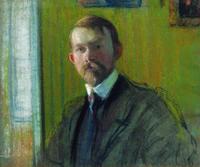
Self Portrait
Boris Kustodiev
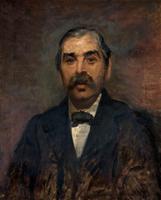
Esposito, Composer
Sarah Purser
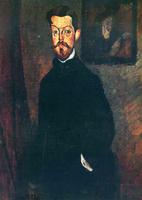
Portrait of Paul Alexandre
Amedeo Modigliani
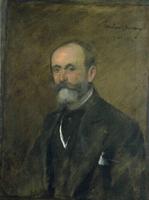
Portrait of Charles Gruet
Carolus-Duran
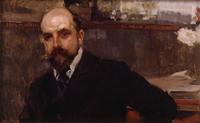
The Count of Artal
Joaquín Sorolla
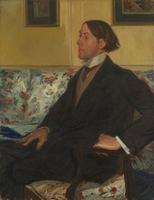
Charles Conder
Jacques-Émile Blanche
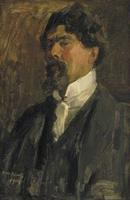
Portrait of Jan Toorop
Isaac Israels
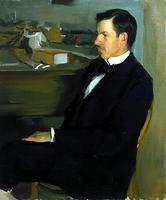
Portrait of M.I. Heylik
Boris Kustodiev
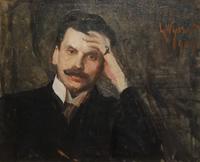
Portrait of Tadeusz Boy-żeleński
Leon Wyczółkowski
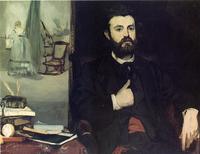
Portrait of Zacharie Astruc
Edouard Manet
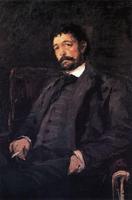
Portrait of Italian singer Angelo Masini
Konstantin Korovin
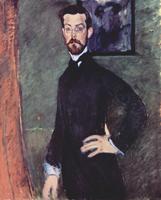
Portrait of Paul Alexander on green background
Amedeo Modigliani
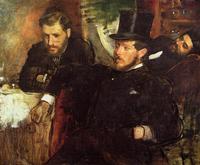
Jeantaud, Linet and Laine
Edgar Degas
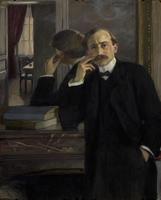
Portrait of Philippe Monnier
Charles Giron
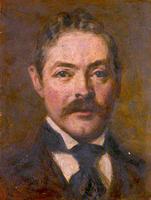
Sir David Murray, Artist
James Archer
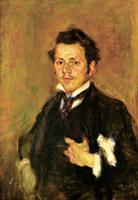
Portrait of the painter Ugo Flumiani
Umberto Veruda
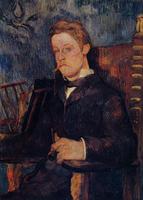
Portrait of a seated man
Paul Gauguin
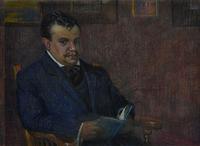
Retrato de Luis G. Urbina
Dr. Atl
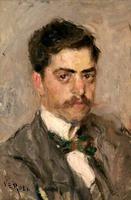
Portrait of the painter Guido Grimani
Umberto Veruda
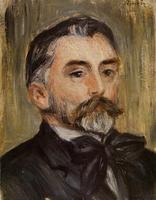
Portrait of Stephane Mallarme
Pierre-Auguste Renoir