Expert Analysis: "Forest" by Ivan Shishkin
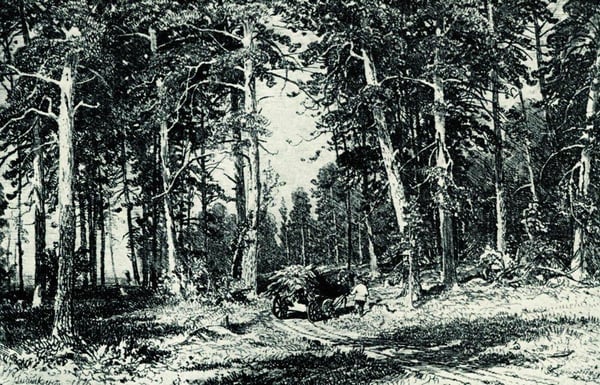
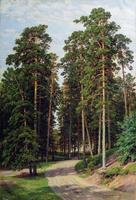
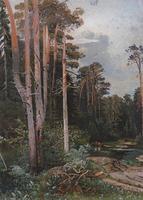
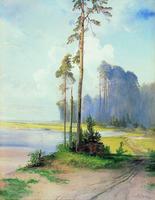
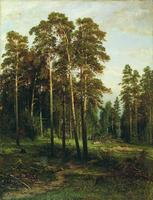
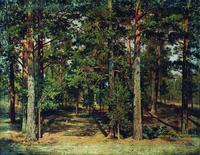
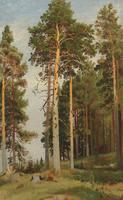
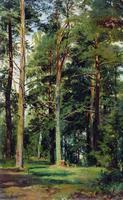
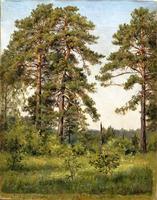
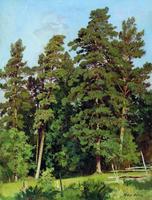
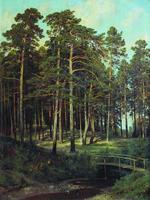
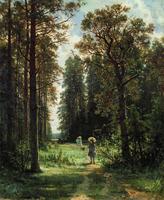
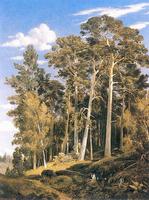
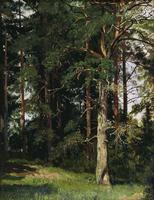
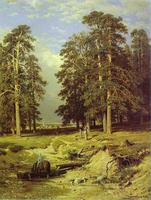
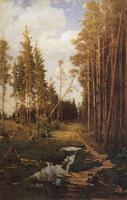
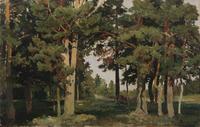
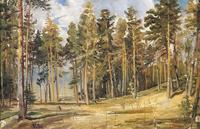
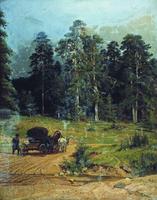
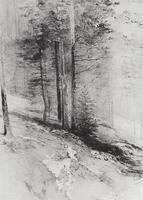
Ivan Shishkin’s Forest stands as a defining masterpiece of 19th‑century Realism, celebrated for its uncompromising fidelity to nature and its profound influence on the Russian landscape tradition. Executed in the Realist style, the work transcends mere topographical record; it immerses the viewer in the dense, silent grandeur of the northern woods.
Significance within Realism and the landscape genre:
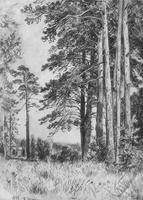
- Botanical Precision: Shishkin, a trained botanist, renders every pine needle, mossy rock, and textured bark with near‑scientific accuracy. This meticulous detail was revolutionary for landscape painting, elevating a simple forest interior to a subject of serious artistic and ecological study.
- Atmospheric Depth: Through subtle shifts in light and shadow, Shishkin captures the layered depth of the forest—from the sun‑dappled clearing to the deep, shadowed undergrowth. This mastery of aerial perspective and chiaroscuro gives the canvas a palpable, breathing presence, a hallmark of Realism’s commitment to sensory truth.
- National Identity: In an era when Russian art sought to define its own voice, Shishkin’s forests became symbols of the country’s vast, untamed wilderness. Forest embodies the Realist desire to depict the specific character of the Russian landscape—not an idealized Arcadia, but the majestic, quiet power of the natural world as it actually exists.
Shishkin’s work remains significant because it married photographic observation with lyrical emotion, influencing generations of landscape painters and cementing the forest as a central motif of Russian Realism.