Expertenanalyse zu Diego Velazquezs The Needlewoman
Stil: Baroque · Genre: portrait
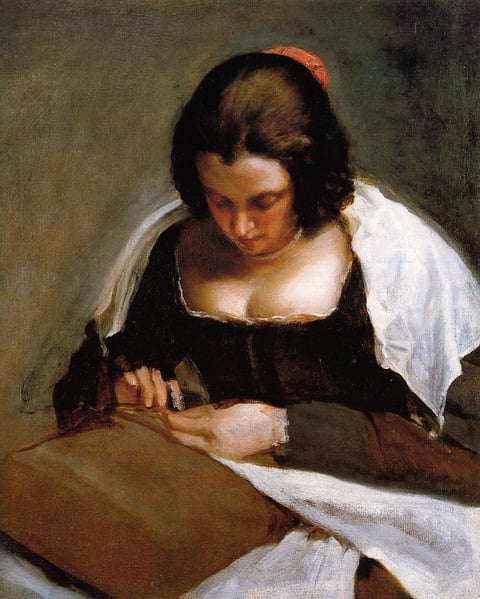
"The Needlewoman" by Diego Velázquez is a masterful example of Baroque portraiture that elevates a humble domestic subject to the level of profound artistic significance. Painted during the artist’s maturity, this work exemplifies Velázquez’s revolutionary approach to realism—a hallmark of the Spanish Baroque—where even a simple young woman sewing is rendered with the same psychological depth and technical bravura reserved for royalty.
Significance within the Baroque style and period:
-
Unidealized realism: Unlike many Baroque portraits that emphasized grandeur or allegory, Velázquez captures his sitter in a quiet, unposed moment. The woman’s gaze is slightly averted, her hands caught mid-stitch, and her plain attire (a white blouse and dark shawl) suggests a working-class identity. This humanistic focus reflects the Spanish Baroque’s intense naturalism, rooted in the tradition of Diego de Ribera and the influence of Caravaggio.
-
Loose, anticipatory brushwork: The painting’s surface is notable for its abbreviated handling—especially in the face, where swift, visible strokes model the cheek and temple, and in the intricate lace of the sleeve, which is suggested rather than delineated. This technique, which predates Impressionism by two centuries, demonstrates Velázquez’s ability to capture the essence of form through light and color rather than meticulous detail.
-
Intimate chiaroscuro: The light source is soft and diffused, falling across the woman’s face and hands while leaving the background in deep shadow. This Caravaggesque chiaroscuro directs our attention to the act of sewing itself, implying the dignity of labor and the quiet concentration of the needlewoman—a theme that aligns with Baroque interests in quotidian life and moral introspection.
-
Attribution and influence: Though the painting’s exact place in Velázquez’s oeuvre has been debated, its quality and sensitivity link it to his mature phase (c. 1640s), when he was court painter in Madrid. The intimate scale and unpretentious subject matter resonate with other works like The Water Seller of Seville and predate the later, even more abbreviated style of Las Meninas. The Needlewoman thus stands as a testament to Velázquez’s ability to find extraordinary dignity in the ordinary, a quality that would profoundly influence later realists and modernists alike.
Museum / Gallery
Visuell ähnlich
20 Werke mit ähnlicher Komposition und Farbpalette
The Letter
Camille Corot
Woman with a Mirror
Peter Paul Rubens
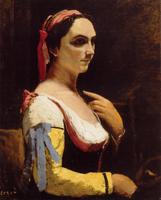
Italian Woman with a Yellow
Camille Corot
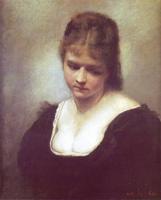
Portrait of a Woman
Maurycy Gottlieb
Girl with Mandolin
Camille Corot
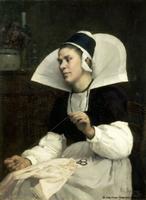
Young Mother (Girl from Brittany)
Elin Danielson-Gambogi
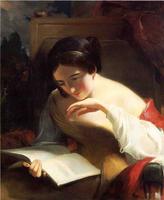
Portrait of a Girl Reading
Thomas Sully
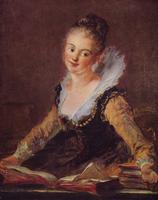
The Reader
Jean-Honore Fragonard
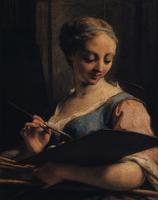
Jean Restout
Maurice Quentin de La Tour
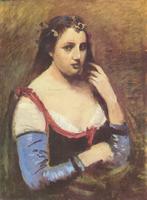
Woman with Daisies
Camille Corot
The Young Bride
Mary Cassatt
A Woman Weeping
Rembrandt
Portrait of Mary Susanne Dinglinger, born Gutermann
Antoine Pesne
Untitled
Jules-Frédéric Ballavoine
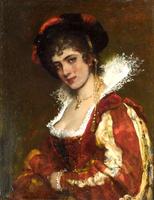
Portrait of a Venetian Lady
Eugene de Blaas
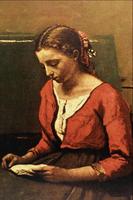
Girl Reading
Camille Corot
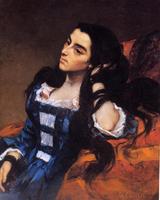
Portrait of a Spanish Lady
Gustave Courbet
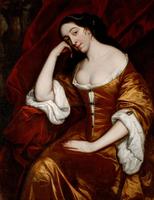
Portrait of a Lady, Three-Quarter Length, Seated, Wearing a Gold Dress with Red Robes
Henry Anderton
Pippa
John Everett Millais
Portrait of a Young Girl
Alexei Harlamoff