Expert Analysis: "Triple Elvis" by Andy Warhol
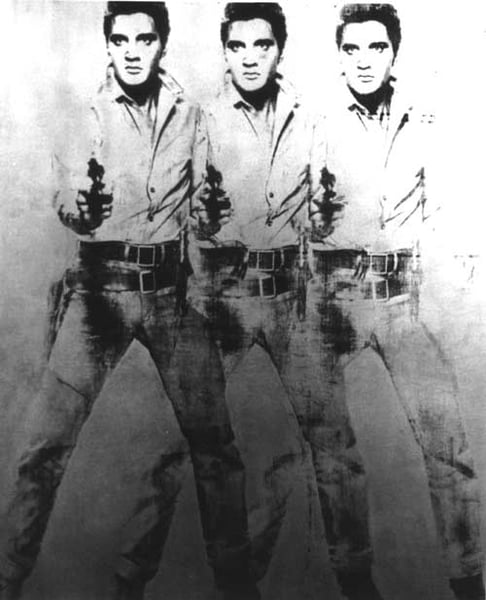
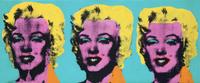
As a Pop Art portrait, "Triple Elvis" stands at the intersection of mass production and celebrity worship, two defining concerns of the movement. Warhol’s decision to depict a single figure three times in a single canvas is not merely decorative repetition—it is a deliberate challenge to the traditional, unique portrait. Instead of capturing an individual’s essence, the work reproduces a public image (Elvis Presley) as a commodity, echoing the serial nature of movie posters, magazine covers, and advertising.
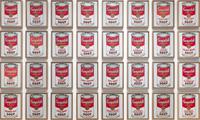
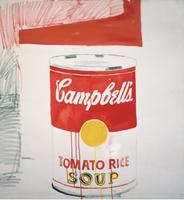
The significance of this work within Pop Art lies in its flattening of hierarchy: the king of rock ‘n’ roll is treated with the same mechanical repetition as a soup can. By isolating the portrait genre and subjecting it to industrial reproduction, Warhol questions the very idea of aura and authenticity in art. The triple Elvis becomes a commentary on fame as a manufactured, endlessly repeatable product—both a celebration and a critique of American celebrity culture. In this way, the work epitomizes Pop Art’s core project: to obliterate the boundary between high art and popular imagery, and to force viewers to see the familiar—a superstar’s face—as an iconic, strangely hollow symbol.