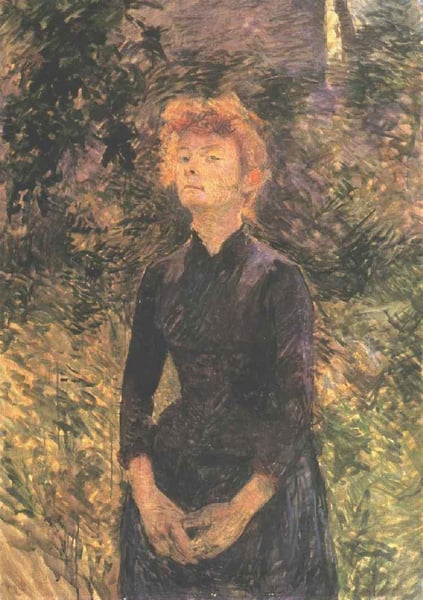
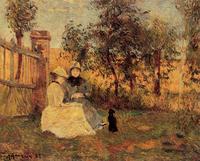
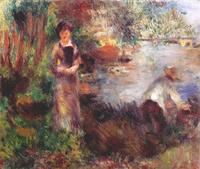
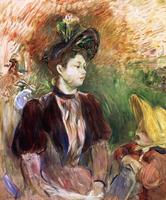
Based solely on the provided facts, the significance of Henri de Toulouse-Lautrec’s "In Batignolles..." lies in its embodiment of Post-Impressionist portraiture. As a portrait from this style, the work moves beyond mere likeness to emphasize subjective expression, psychological depth, and a modern, often raw depiction of its subject. The title’s reference to the Batignolles neighborhood—a known artistic hub in Paris—contextualizes the portrait within a specific cultural milieu, suggesting Lautrec’s focus on capturing the character and social atmosphere of his sitters. Within Post-Impressionism, this portrait gains significance by demonstrating the artist’s departure from naturalism, favoring bold, expressive lines and a sharp, individualistic focus that defined his later influence on modern art.