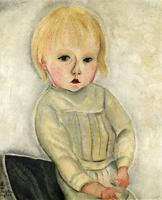
Analysis of “Fred” by Lucian Freud
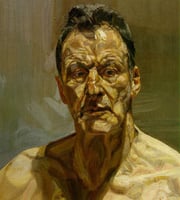
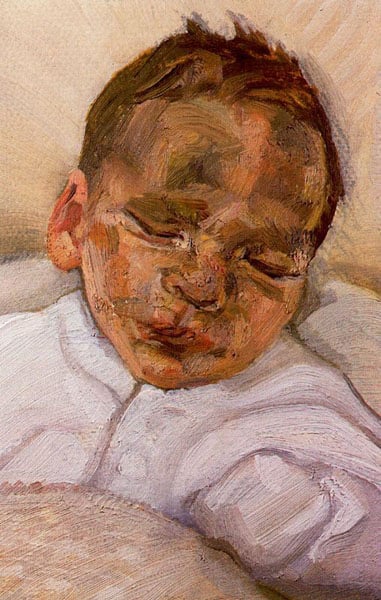
As an expressionist portrait, Fred exemplifies Lucian Freud’s unflinching investigation of the human form and psyche. Expressionism here is not merely a stylistic label but a means of penetrating beyond surface likeness to reveal raw, often uncomfortable truths about the sitter. Freud’s method – thick, layered impasto, muted flesh tones, and a relentless scrutiny of physical imperfections – transforms the portrait into a psychological landscape. The significance lies in how he merges the genre of portraiture with the emotional intensity of expressionism: the face becomes a terrain of vulnerability, the body a record of lived experience. Unlike earlier expressionists who distorted features for symbolic effect, Freud achieves emotional weight through hyper‑real observation, making the ordinary profoundly unsettling. In Fred, this tension between documentary precision and expressionist rawness redefines the portrait as an act of existential revelation.